
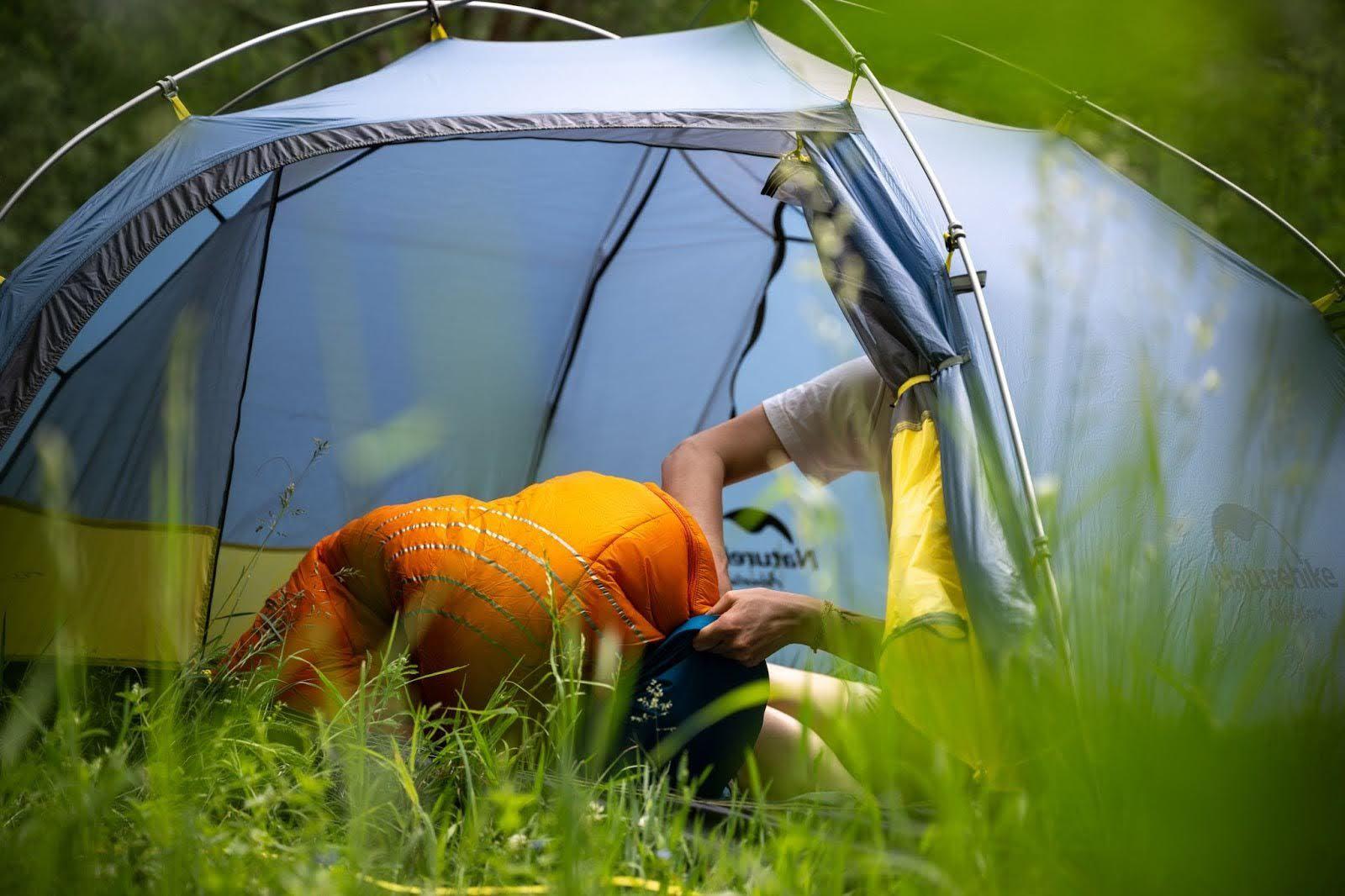
A sleeping bag is often one of the bulkiest pieces of your hiking or bivouac gear. If packed carelessly, it can quickly take up too much space in your backpack and make it harder to organise the rest of your equipment. Learning how to fold and compress your sleeping bag correctly is essential for saving space, protecting the insulation - whether down or synthetic - and making your trekking and camping trips easier and more comfortable.
In this article, we’ll share a few simple techniques to help you pack your sleeping bag efficiently, keeping it compact, easy to carry, and always ready for your next outdoor adventure, mountain trek or wild bivouac.
Your sleeping bag is an essential companion for all your outdoor adventures - whether you’re hiking, trekking, bivouacking, or camping under the stars. Poorly packed, it can quickly lose its loft, get damaged, or lose its insulating power — making your nights in nature far less comfortable.
A compression sack isn’t just a storage cover - it’s a real asset to your outdoor gear. It helps you reduce the bulk of your sleeping bag while effectively protecting the down or synthetic fill from wear and moisture.я
That’s why knowing how to fold and compress your sleeping bag properly is essential for optimising space in your backpack and maintaining the performance of your gear - whether you’re heading out for a weekend hike or a multi-day trek in the mountains.
To compress your sleeping bag effectively, make sure you have the right essentials on hand:
Pro Tip: If your sleeping bag comes with its own compression sack, it’s already the perfect match. If you’re buying one separately, keep in mind that synthetic sleeping bags require a slightly larger sack to avoid over-compressing the fibres and to preserve their loft and insulation.
To discover a complete range of sleeping bags designed for hiking, trekking, and outdoor bivouacs, explore Kanrock sleeping bag collection
Contrary to popular belief, you don’t need to roll your sleeping bag neatly every time you pack it away. Most outdoor gear manufacturers — including Kanrock — actually recommend the “stuffing” method: simply push the sleeping bag into the compression sack section by section, rather than trying to roll it perfectly.
This technique has several advantages for your outdoor adventures:
For more insight into the different types of sleeping bags and expert advice on how to care for them, check out this guide.
Pro tip: For long-term storage at home, it’s best to roll your sleeping bag instead. Use a large, breathable storage bag rather than a compression sack - this helps maintain loft and thermal performance over time.
By applying this simple technique, your sleeping bag stays compact, efficient, and ready for every trekking, camping, or bivouac adventure.
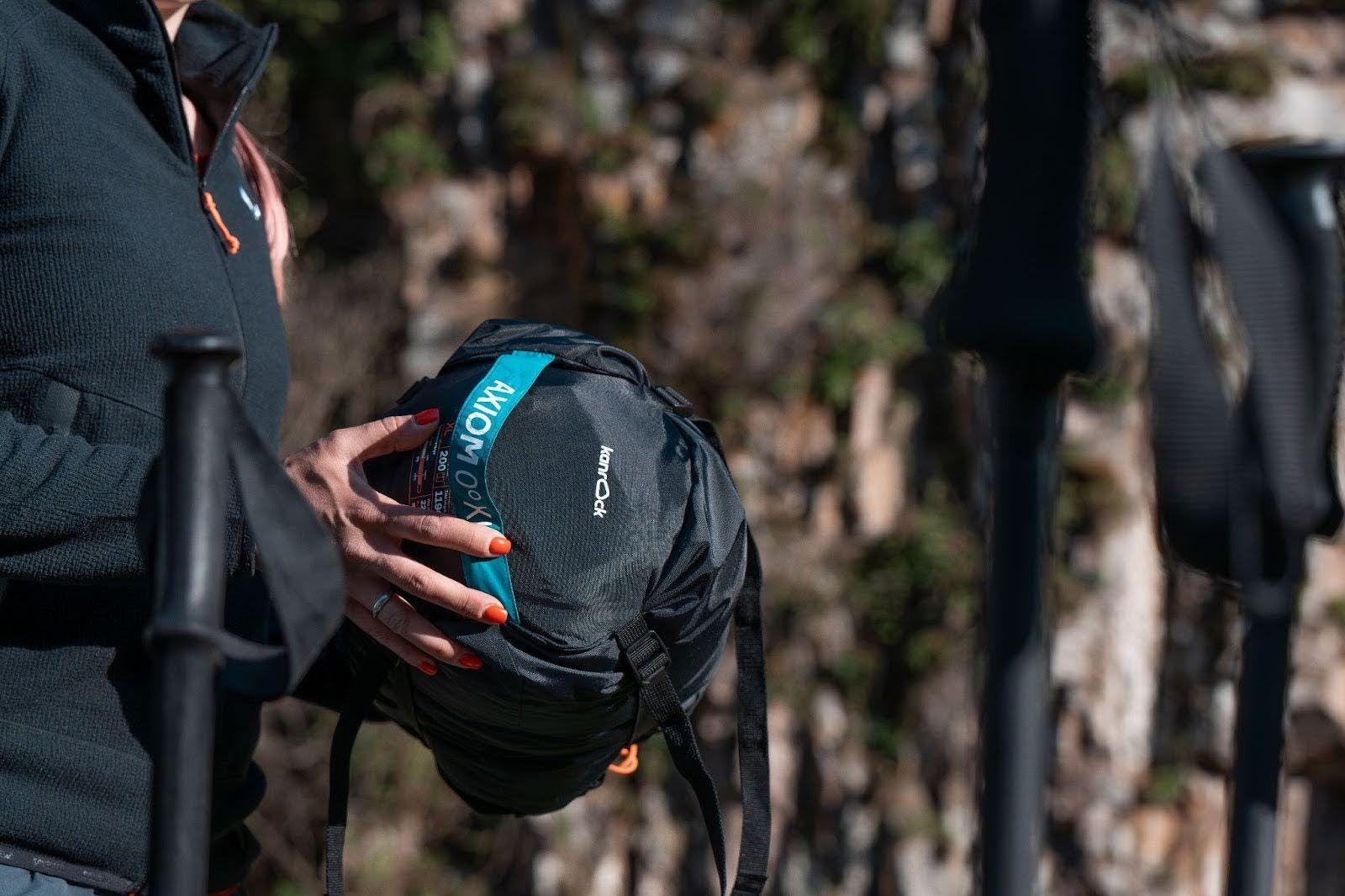
To optimise the packing of your sleeping bag during trekking, hiking, or bivouac adventures, follow these simple steps:
Pro Tip: Using proper compression techniques not only saves space in your backpack, but also makes it easier to carry all your essential gear for successful bivouac, hiking, or trekking trips.
For a complete guide on how to use and choose compression sacks, check out this tutorial video
If your sleeping bag didn’t come with its original compression sack, it’s important to choose a model that fits your needs. Here are the main features to consider:
Many models also feature a water-repellent coating and stretchable side straps, ideal for outdoor adventures in wet conditions or humid environments.
A properly packed sleeping bag ensures an ergonomic and optimised backpack. Using a compression sack not only saves space but also protects your sleeping bag from the elements and extends its lifespan. By avoiding over-tightening the straps, you preserve the loft and thermal properties of your sleeping bag, guaranteeing comfortable nights outdoors.
Looking for a new sleeping bag to accompany your adventures? Discover the Axiom range by Kanrock