

A well-organized hiking backpack can completely transform your trekking, hiking, or camping trips. A correctly packed backpack not only distributes weight evenly, but also keeps your gear within easy reach, reduces back fatigue, and ensures you can fully enjoy every step of your outdoor adventure.
In this guide, we’ll share the best techniques for packing your hiking backpack, selecting essential gear, and organizing your belongings ergonomically. Whether you’re planning a day hike or a multi-day trekking expedition, these tips will help you make each kilometer in the great outdoors more comfortable, safe, and enjoyable.
If you want advice on what to place in each compartment of your backpack, or which items to attach externally - such as trekking poles, sleeping mats, water bottles, or camping gear - this article will walk you through it step by step. You’ll learn how to maximize space, prepare your trips efficiently, and choose the most suitable accessories for your outdoor adventures.
Even a lightweight backpack can strain your back or put pressure on your shoulders if the weight isn’t distributed correctly. This doesn’t just affect comfort—it also impacts stability and balance, especially on uneven trails or rugged terrain.
Poorly organized backpacks increase the risk of joint strain, rapid fatigue, and muscle discomfort. On top of that, if essential items end up at the bottom of your bag beneath everything else, every break becomes a frustrating scramble to dig through and reorganize your gear.
Mastering the art of packing and weight distribution is therefore essential for fully enjoying your hikes, trekking adventures, and camping trips. A well-packed backpack keeps you comfortable, improves your balance on challenging trails, and ensures that your outdoor adventures are safe, efficient, and stress-free.
First rule: organize your backpack by zones. A hiking backpack can be divided into three main zones: bottom, middle, and top. Each zone plays a specific role in weight distribution and easy access to your gear.
The Bottom of the Backpack
This is the ideal spot for bulky but lightweight items you won’t need during the day: sleeping bag, night clothes, or a lightweight sleeping mat. If you’re using a foam mat, it can be attached externally under the backpack to free up interior space.
The Middle Zone – The Core of the Backpack
This is where the heaviest items should go: food, fuel, stove, pots, and water. Place these objects close to your back to maintain a stable center of gravity. Proper weight placement is especially important on technical trails, where balance is crucial for safety and comfort.
The Top Zone – Lid and Upper Compartment
This area is reserved for items you need quick access to: snacks, first aid kit, GPS or map, buff, gloves, or a lightweight jacket. If your backpack has a lid compartment, you can store documents, a headlamp, or toiletries there for easy access during hikes or overnight trips.
There are many types of hiking backpacks, with or without lid compartments. Choose the one that suits the length and style of your adventure: explore all our hiking backpacks here
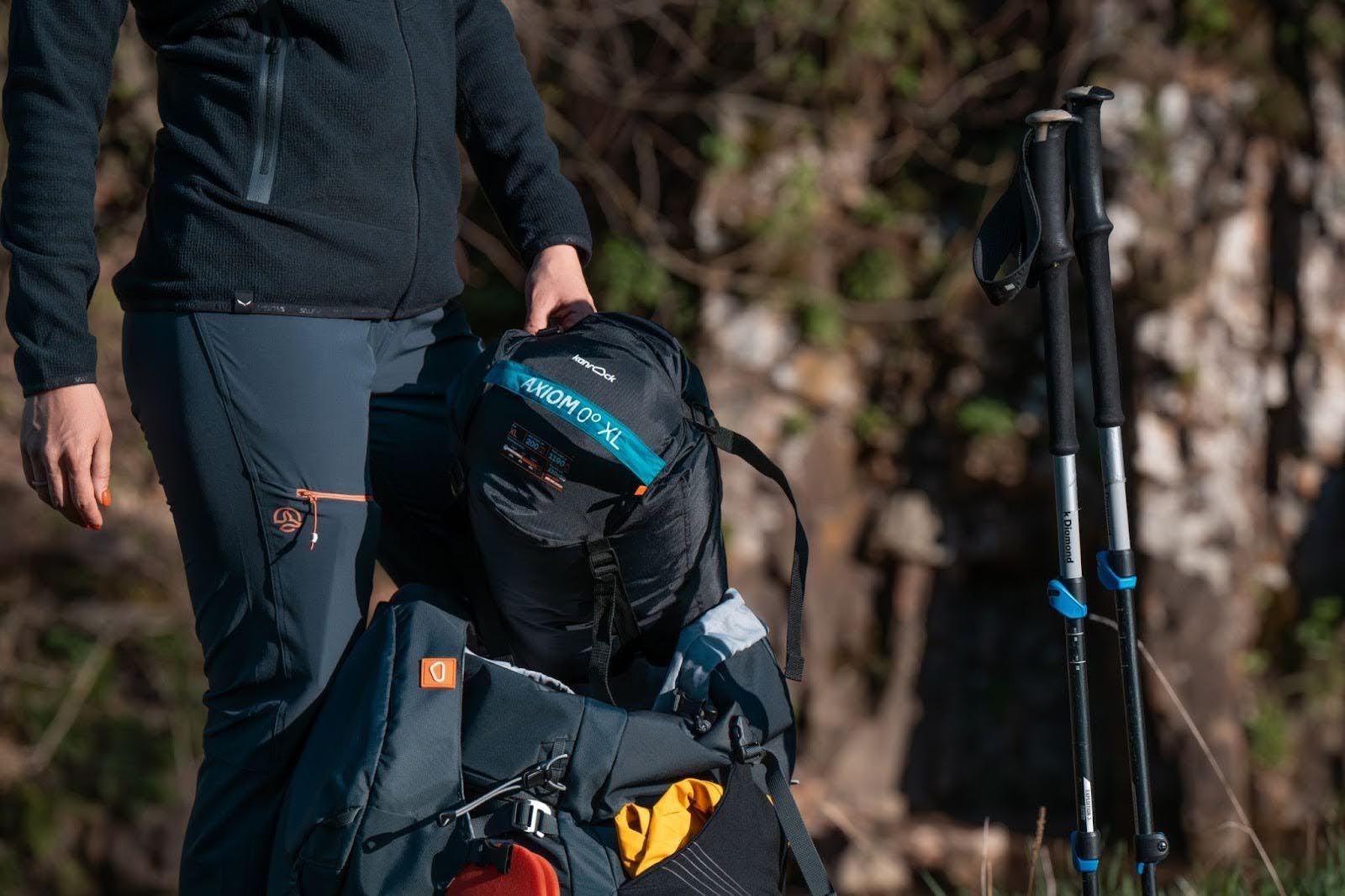
Side pockets are perfect for items you want within easy reach while hiking, such as water bottles, light snacks, trekking poles, or even a small first aid kit.
Some backpack ranges, like the Kanrock Cruiser or Kanrock Eclipse, feature elastic exterior pockets that are ideal for carrying wet clothes, rain ponchos, rain covers, or an extra layer - without cluttering the interior of your pack.
Hip belt pockets are great for small essentials you need quick access to: lip balm, compass, energy gels, multitools, smartphone, or keys.
If your backpack has external attachment points, use them wisely. Poorly secured gear can snag on branches or get lost. Only attach items outside that can handle exposure to moisture or dirt:
Models like the Kanrock Charger and Cruiser come with sturdy external loops and straps, perfect for securely attaching trekking poles, sleeping mats, wet clothing, or extra camping gear—while keeping your backpack ergonomic, balanced, and easy to carry.
Outdoor Tip: Properly organizing your pockets and correctly attaching accessories saves time on the trail, reduces clutter inside your backpack, and maintains balance and comfort during hikes, trekking trips, or extended camping adventures.
Weight distribution is just as important as organizing the contents of your backpack. An unbalanced pack can quickly become tiring and uncomfortable:
For optimal comfort and stability:
To visualize proper load distribution, see more details here.
Outdoor Tip: Proper weight distribution reduces fatigue, protects your back, and improves stability on hikes, trekking trips, and camping adventures - especially on technical or challenging terrain.
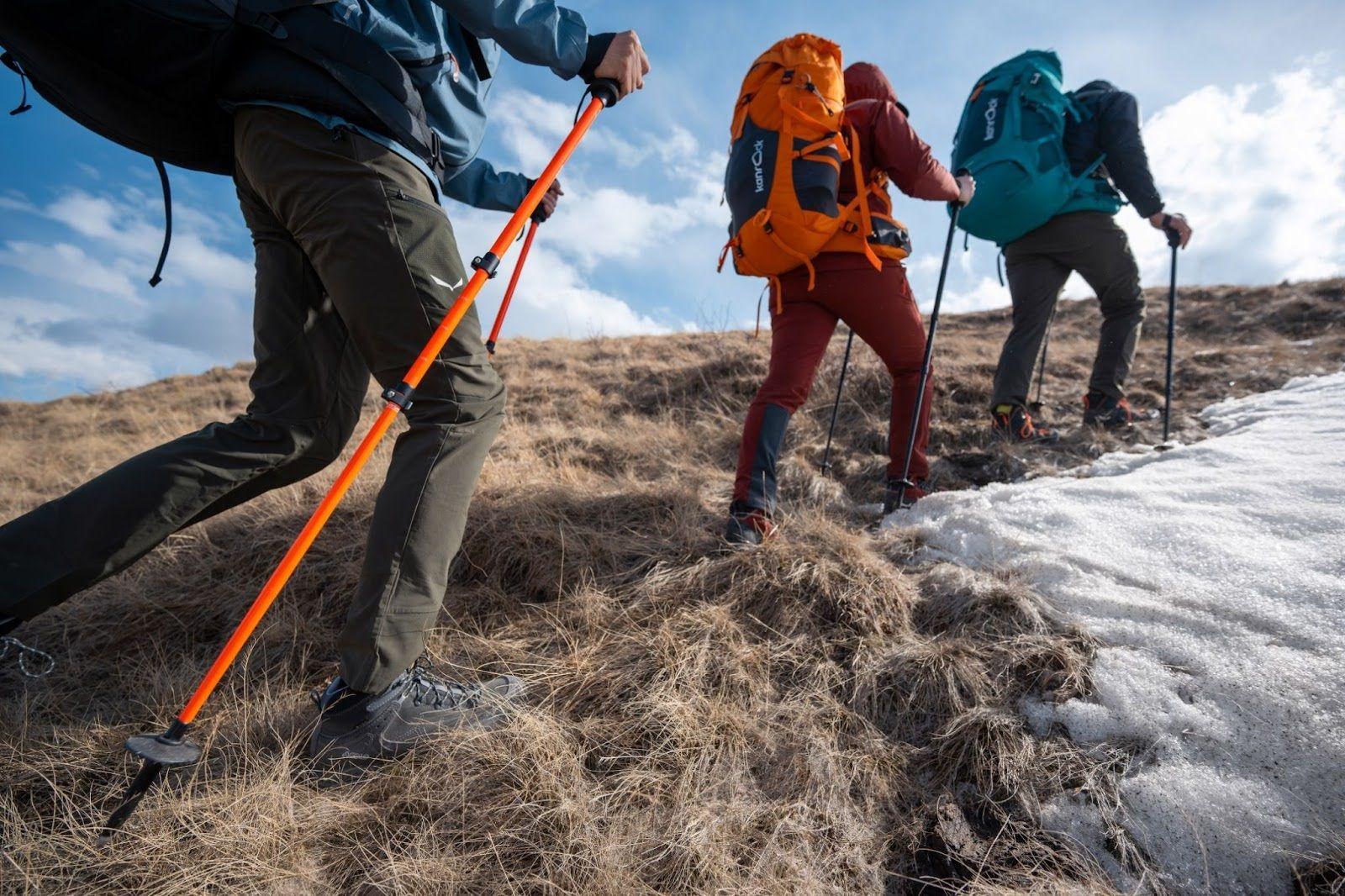
Pack Your Backpack in Advance
Before heading out on a hike, assemble your backpack at home and test it while walking around. This allows you to adjust weight distribution, balance the load, and avoid unnecessary strain on your back and shoulders.
Don’t Overload Your Backpack
Avoid overfilling your backpack with gear. It’s important to leave some free space to protect the integrity of both the pack and its contents. An overstuffed backpack can tear or break if it rubs against rocks or during a fall.
Use Waterproof Bags for Organization
Waterproof bags are ideal for organizing your gear. They protect your belongings from moisture and help you sort items by category - clothing, food, electronics, etc. - making it easier to access what you need during your hike.
Checklists: Don’t Forget Anything
To make sure you bring everything essential, checklists are your best friend. Many are available online, but you can also create your own based on your needs and the length of your trip. A complete checklist for your hike / trek typically includes:
Discover a complete checklist for hiking backpacks and download it as a PDF for your next adventure here.
To fully enjoy nature and your hike, pack your backpack carefully. Gear should be lightweight, reliable, and thoughtfully organized. Proper preparation makes every kilometer more enjoyable and every break more comfortable.
Equipment from catalogue is available for purchase. You can buy Kanrock at Routes and Roads
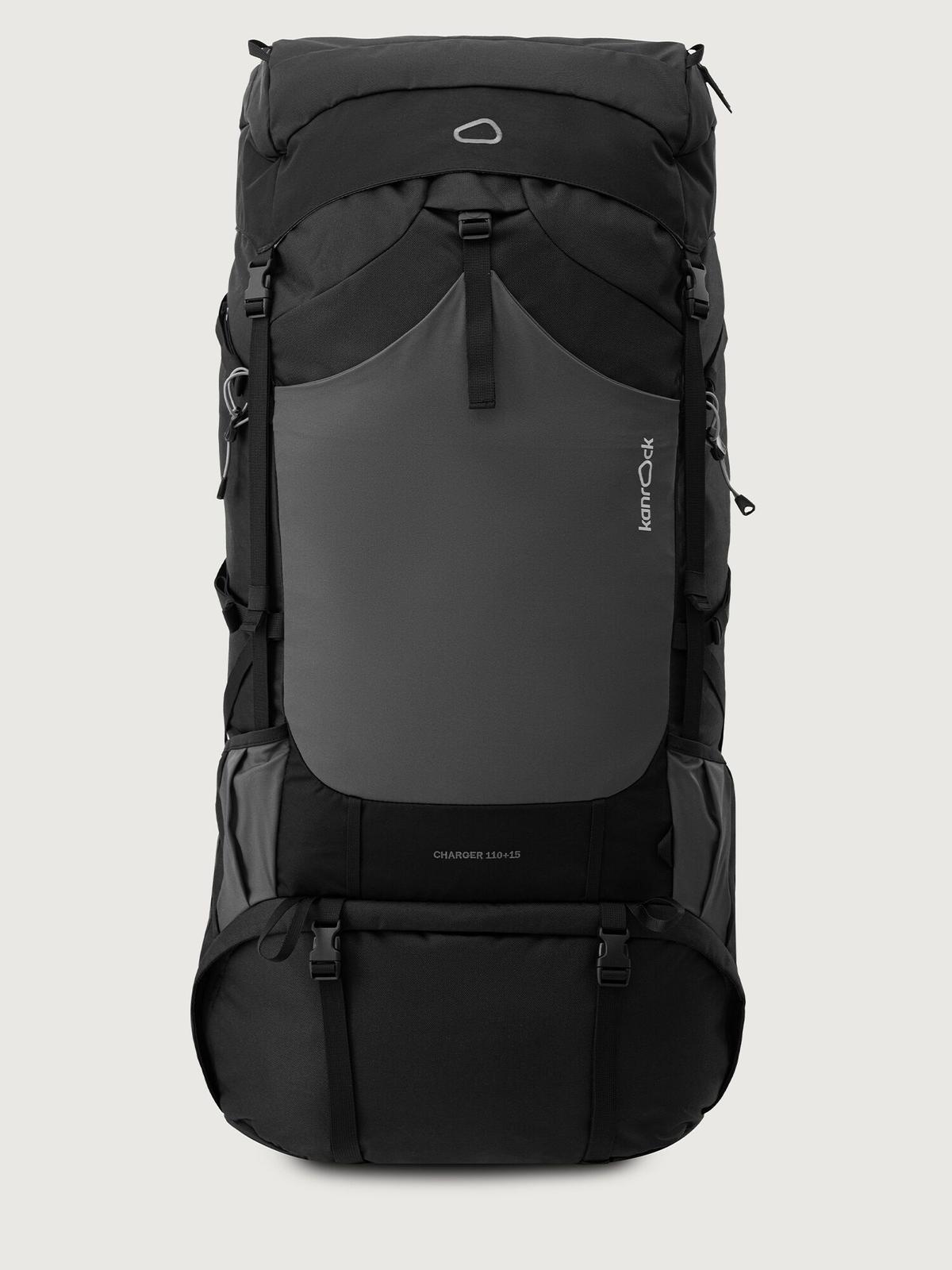
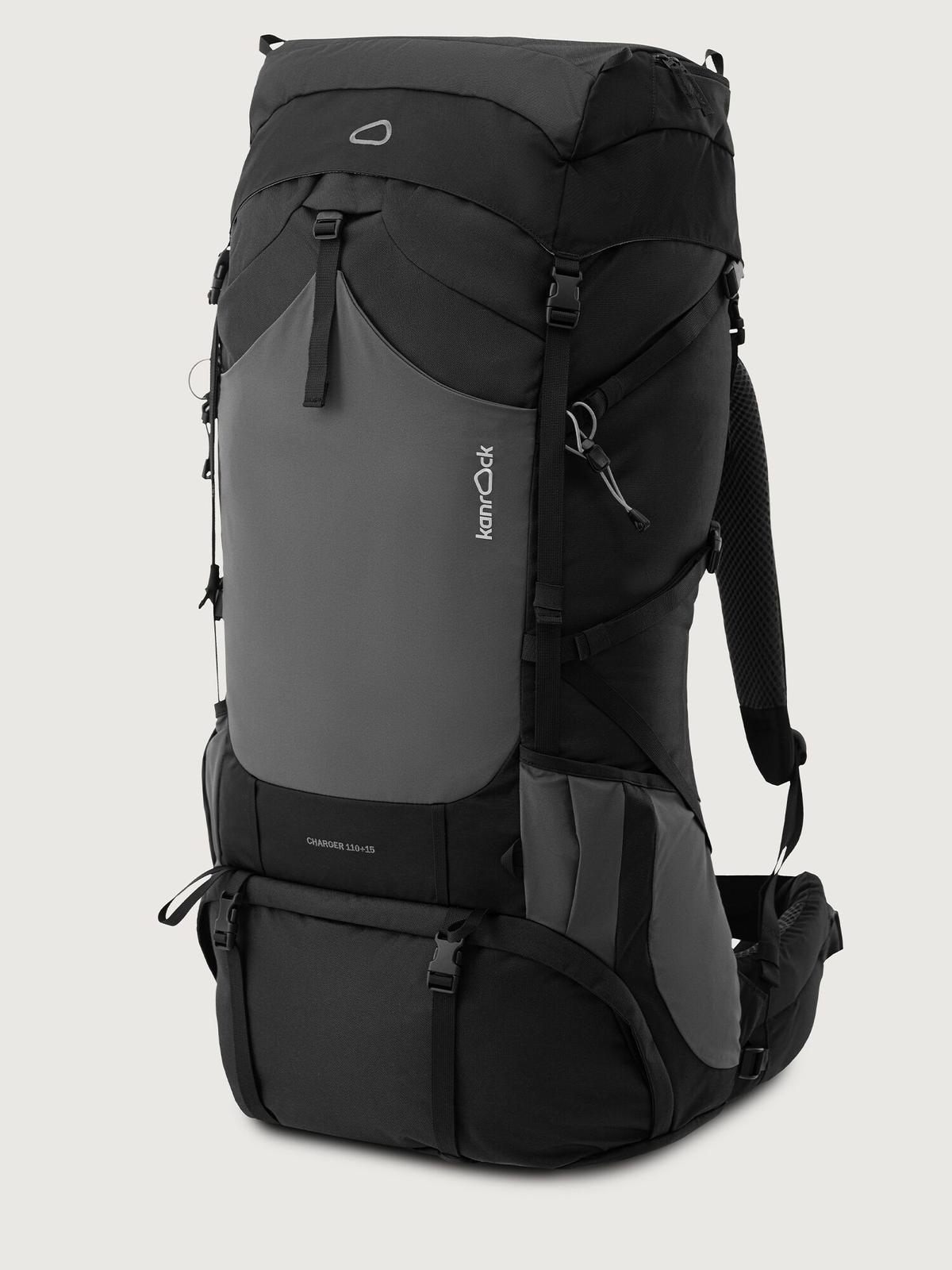
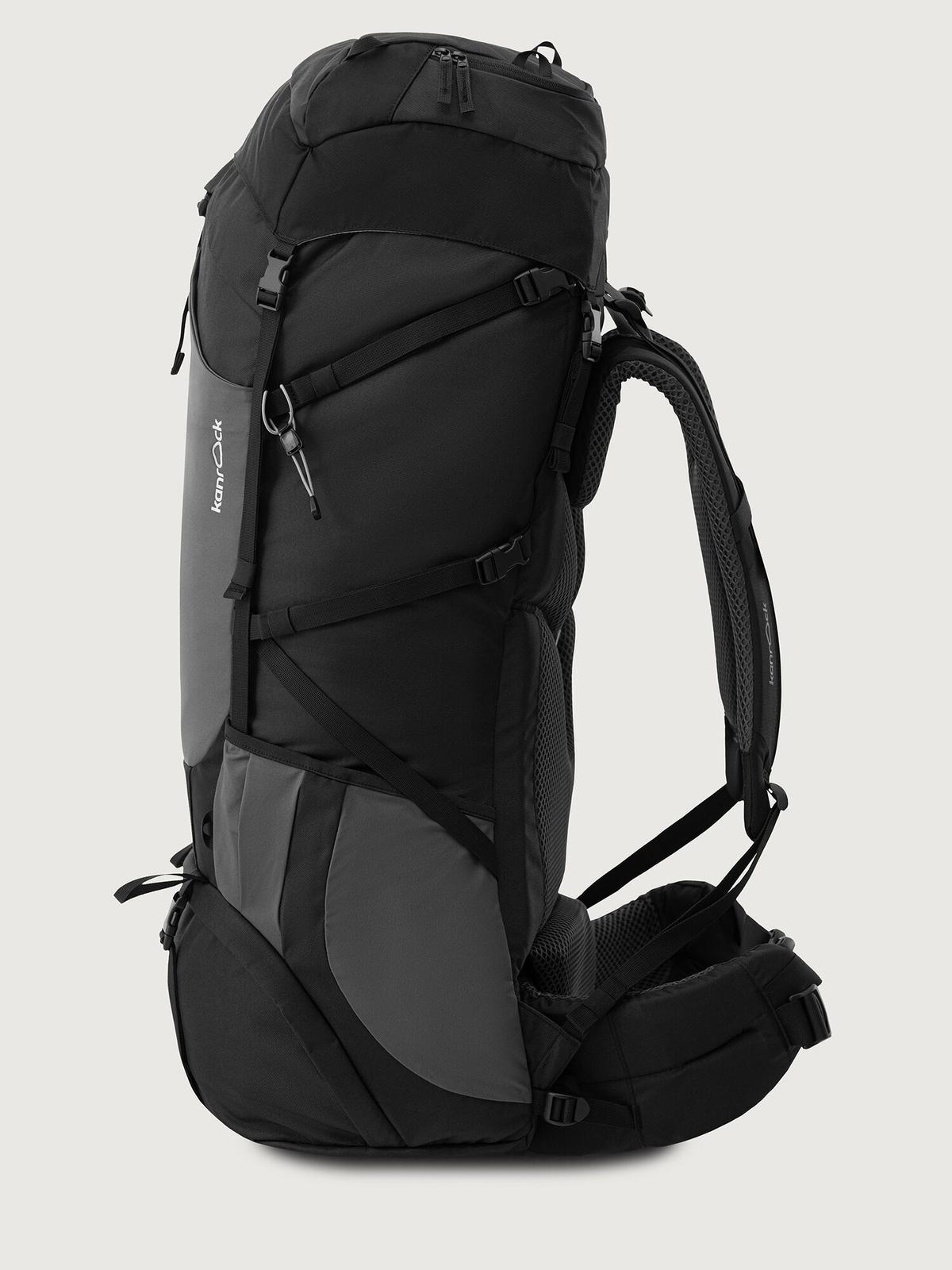
Charger 110+15
Backpacks
190€
The Charger 110+15 is the ultimate backpack for long expeditions year-round and multi-day treks. Designed for autonomous adventures, every detail has been crafted to provide far-away terrains. Its generous 110L + 15L capacity allows you to carry all the essentials for your extended adventures without compromising freedom of movement. An essential companion for those who are ready for long trips.
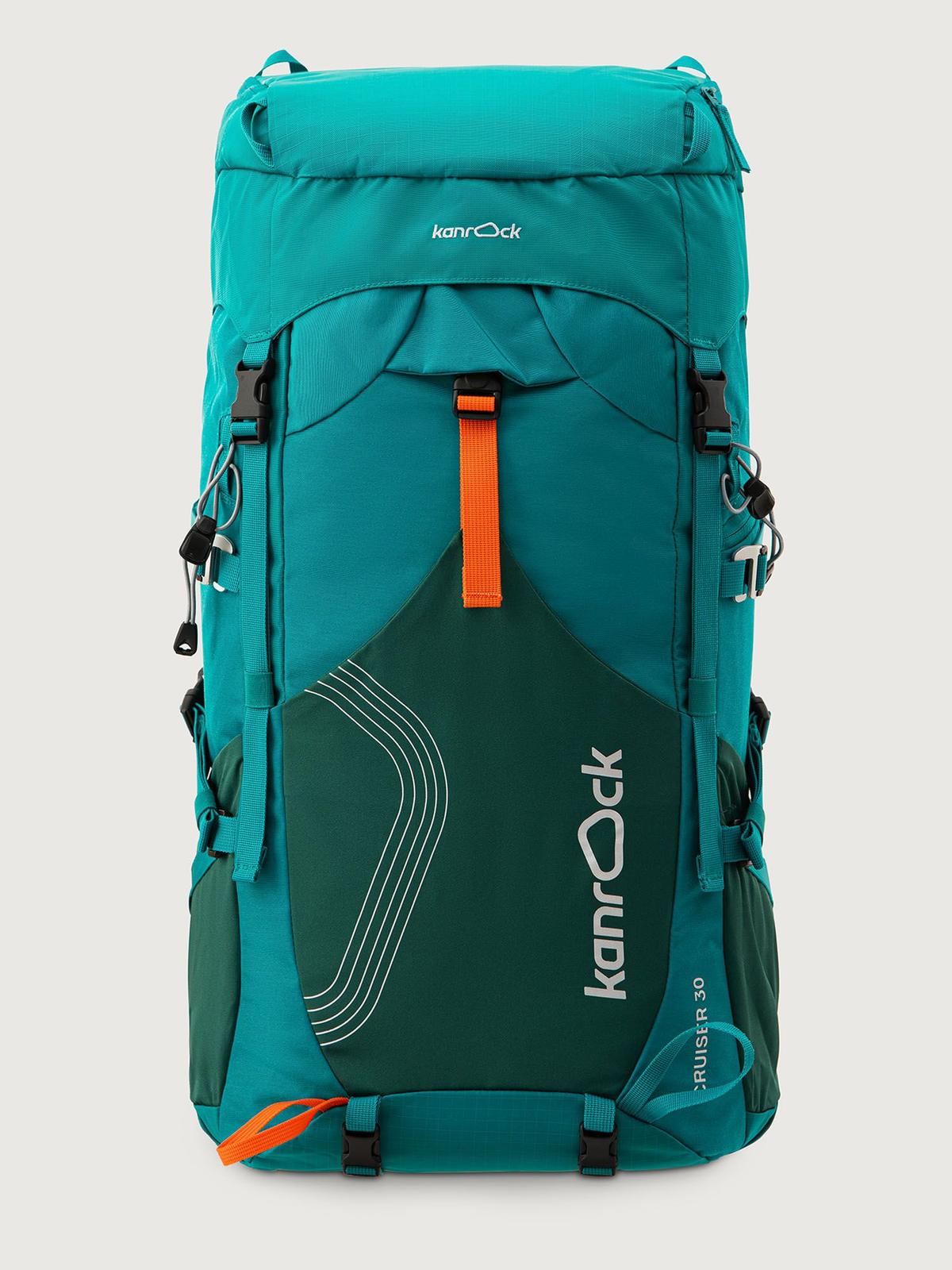
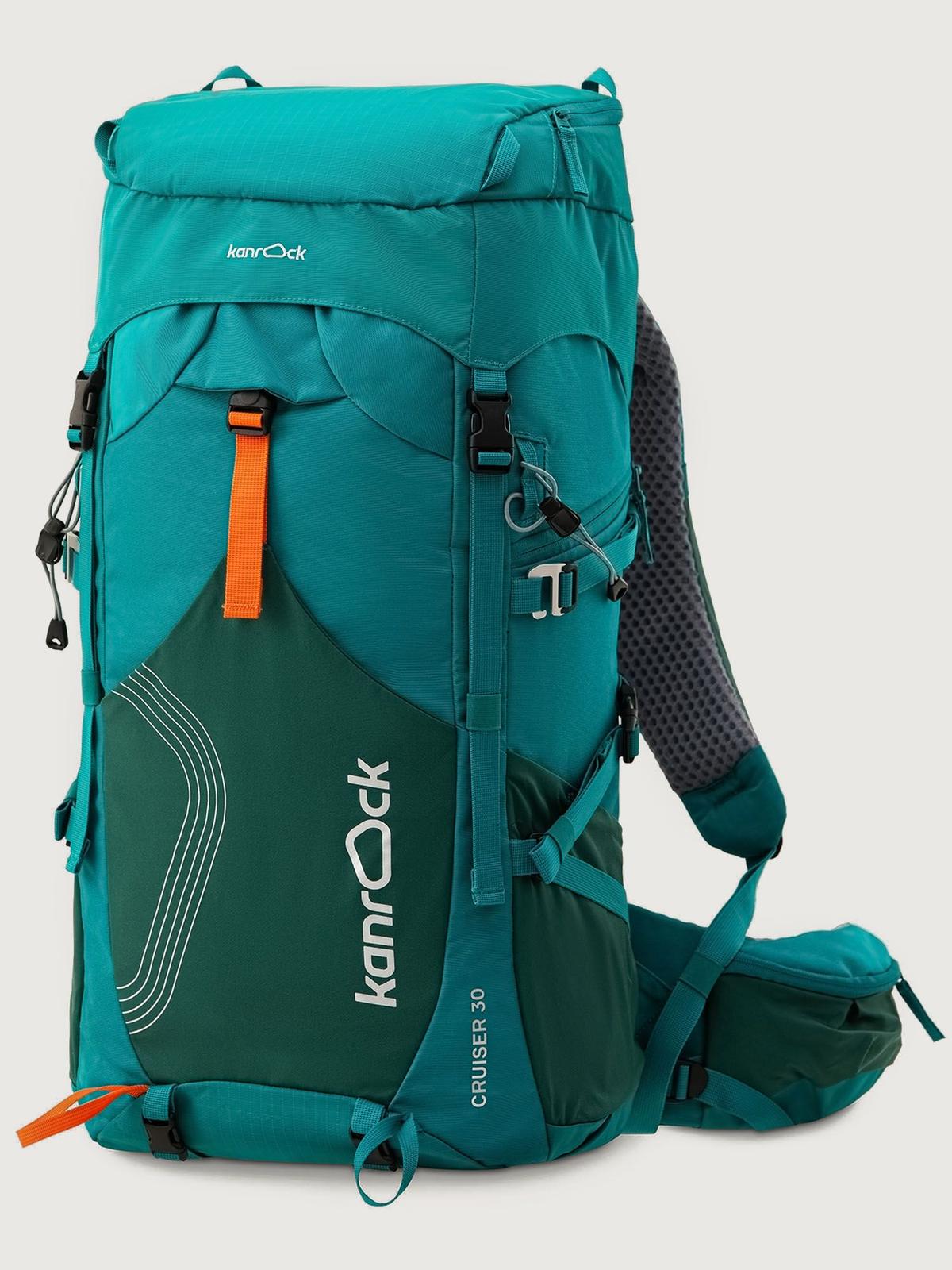
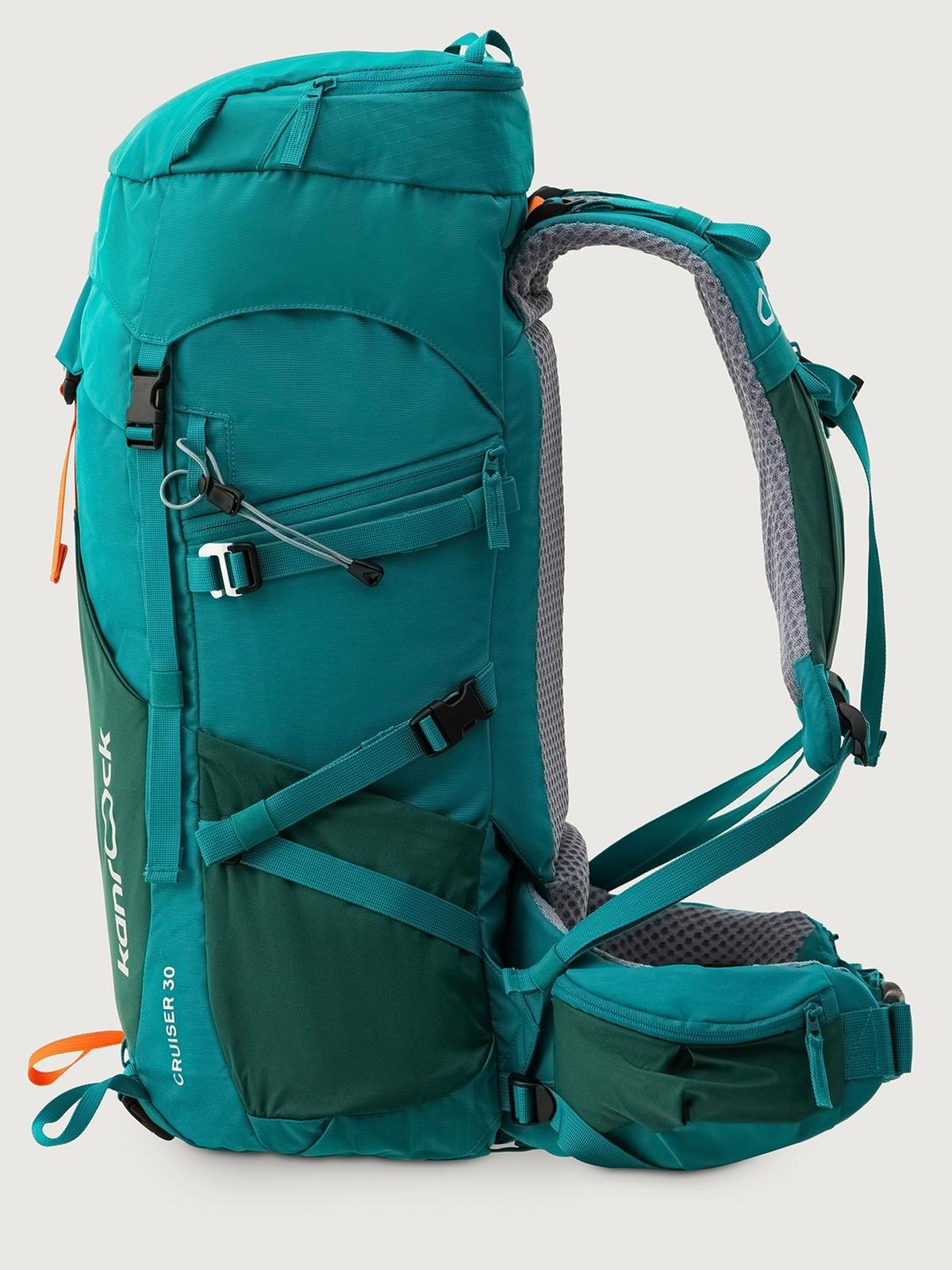
Cruiser 30
Backpacks
177€
Cruiser 30 is a compact and practical backpack, perfect for hiking and day trips. Its ergonomic design ensures excellent carrying comfort, while the external attachment system allows you to easily bring additional gear. Lightweight yet functional, it features multiple pockets and is compatible with a hydration system, making it a reliable companion for all your adventures.
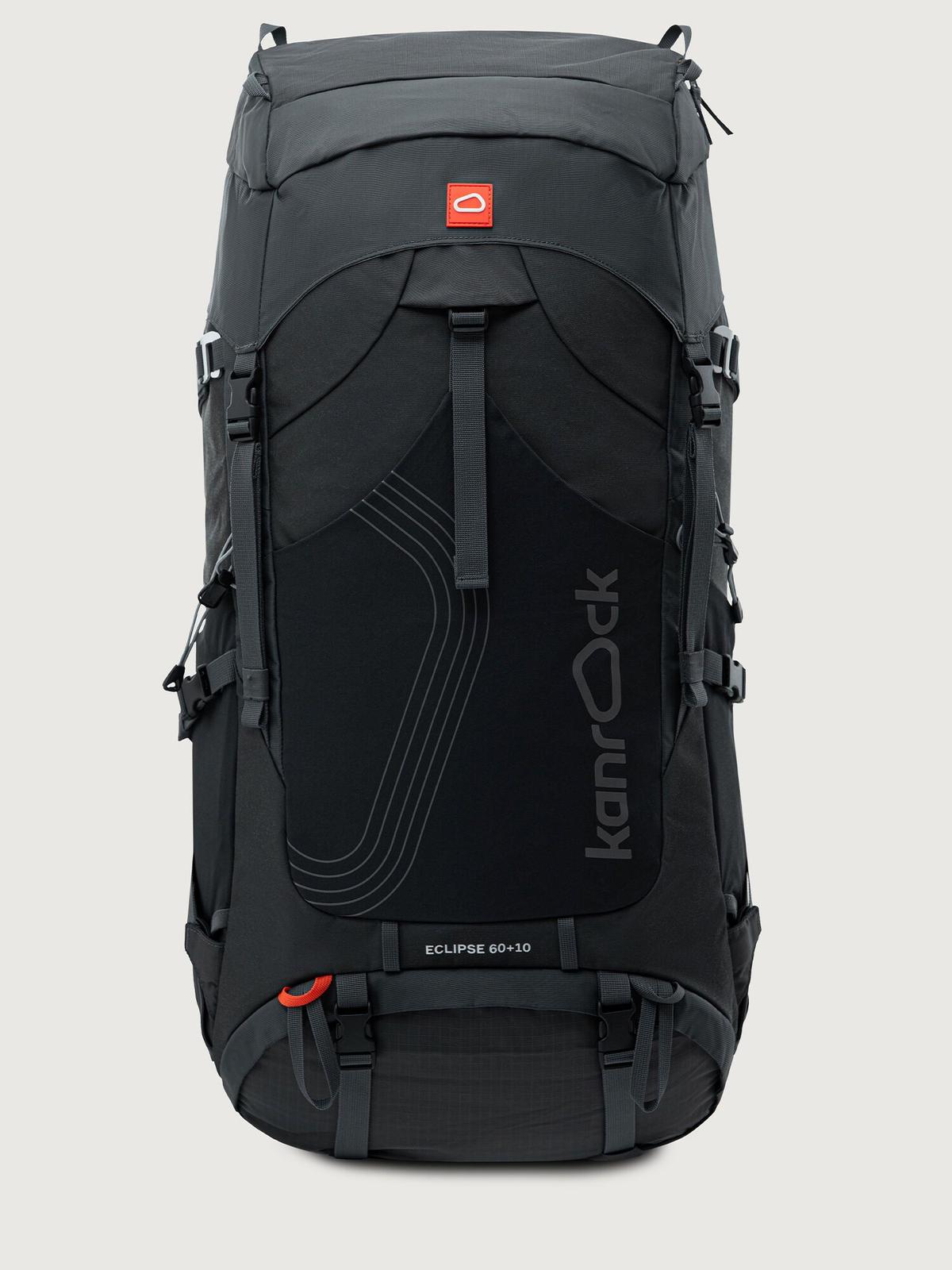
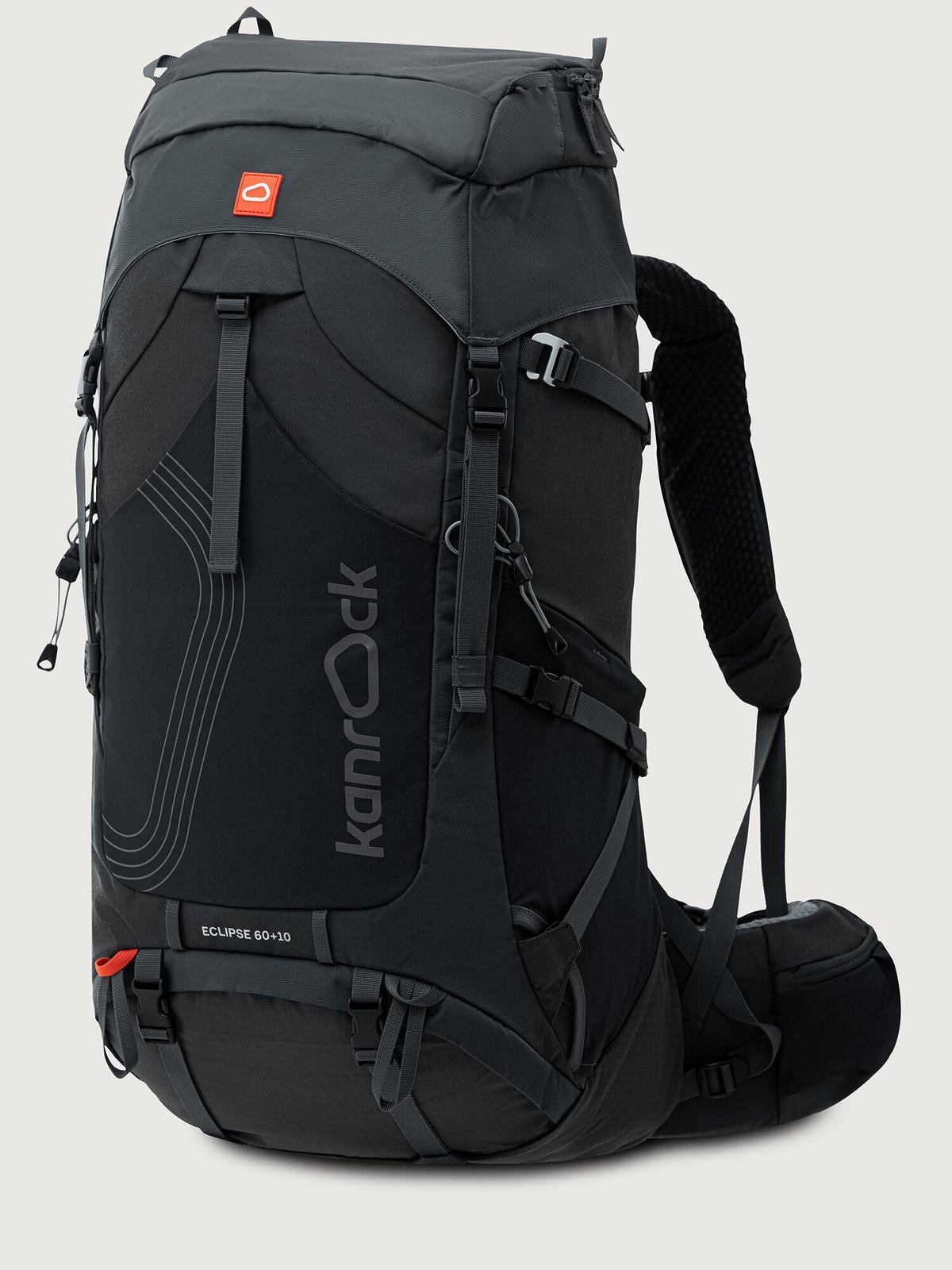
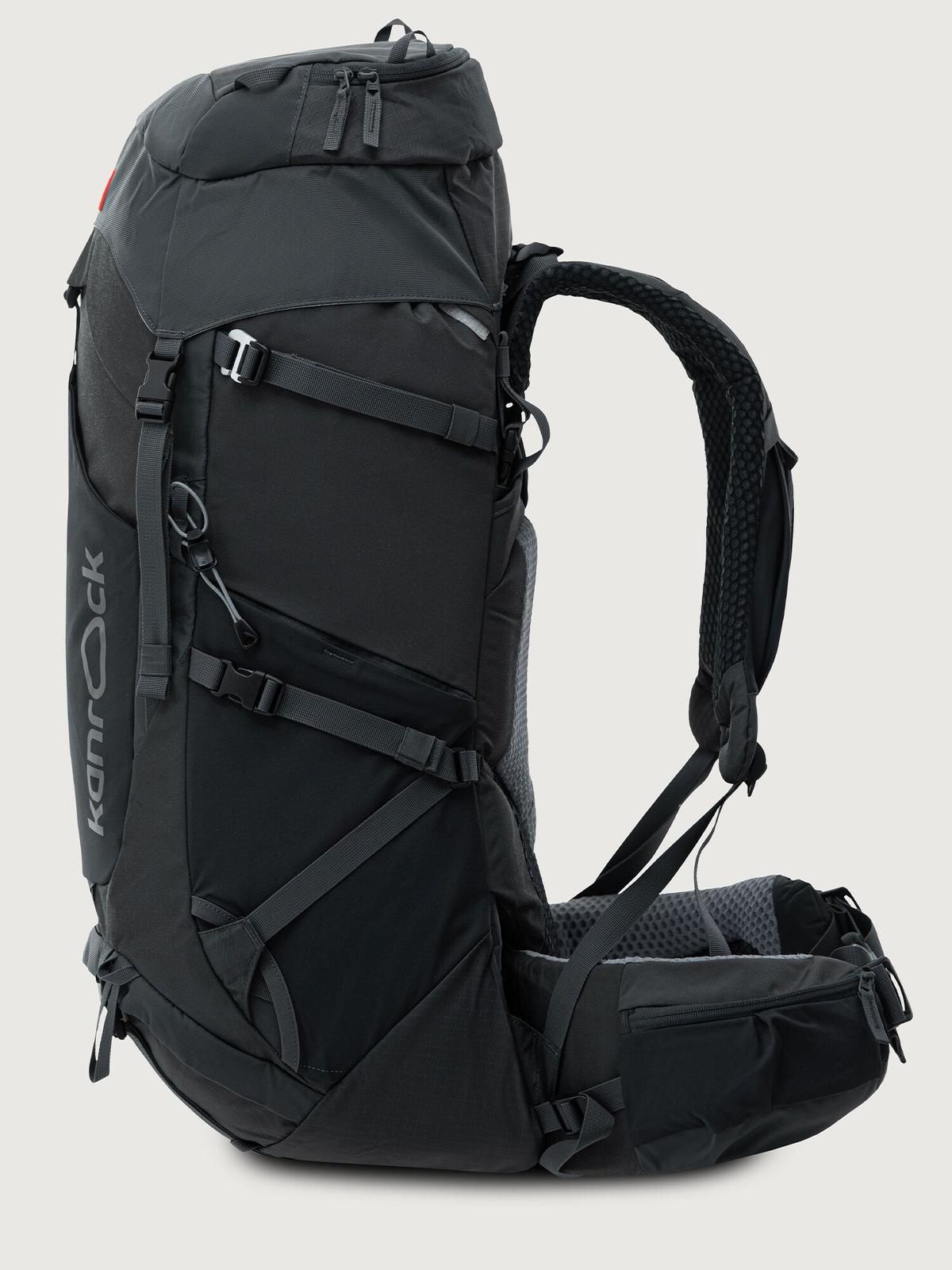
Eclipse 60+10
Backpacks
236€
This high-performance backpack with a 60L capacity and an additional 10L extension is designed for trekking, offering inside numerous storage for comfortable use. This model is intended for experienced trekkers with high demands, allowing you to go further with confidence