
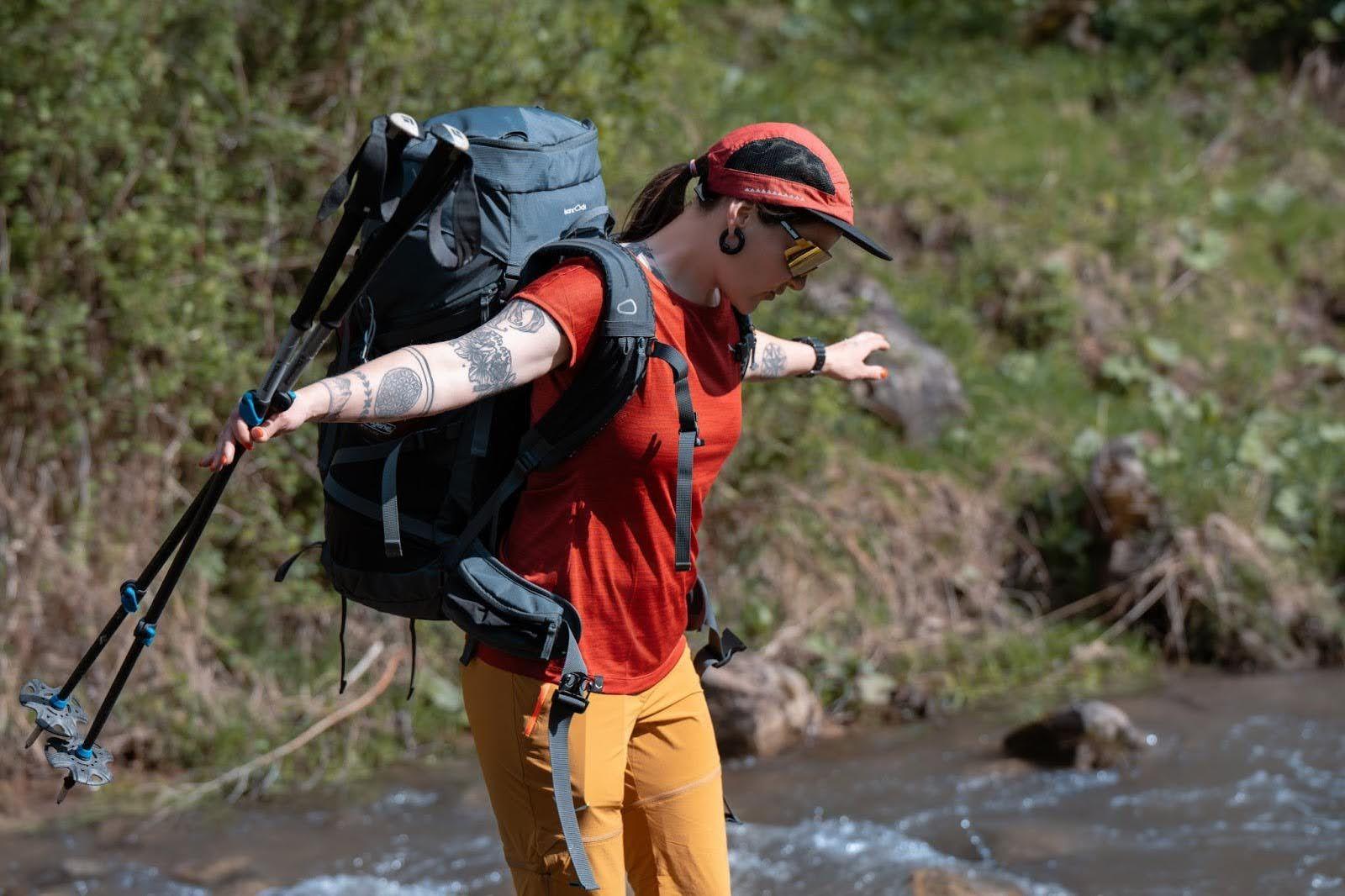
A well-adjusted backpack is the key to a comfortable hike, even when carrying a heavy load. When it fits the contours of your back correctly, every step feels smoother, more natural, and less tiring.
Proper adjustment isn’t just about comfort—it’s also essential for preventing pain and injuries. By distributing the weight evenly across muscles and bones, a correctly fitted backpack reduces strain on your joints and spine, keeping you safe and comfortable on long treks.
In this guide, we’ll show you how to properly adjust a trekking backpack, step by step - from setting the correct back length to tightening the straps - so your backpack becomes a true companion for all your outdoor adventures.
Trekking backpacks, like those from Kanrock, are designed for long adventures, mountain hikes, or multi-day treks when you need to carry all your essentials on your back. However, even the most ergonomic and technical backpack won’t perform at its best if it isn’t properly adjusted to your body.
A poorly fitted backpack can quickly turn into a burden: it strains your shoulders, rubs your lower back, throws off your balance, and drains your energy faster - especially on rough terrain. On the other hand, a well-adjusted backpack can completely transform your carrying experience: the pack feels stable, lightweight, and perfectly in sync with your movements.
Proper backpack adjustment isn’t just about comfort - it’s also about safety and performance. By distributing weight efficiently, a correctly fitted backpack:
Whether you’re heading out for a day hike, a mountain bivouac, or a multi-week trek, taking a few minutes to adjust your backpack makes all the difference. It’s a simple but essential step to enjoy every stage of your journey without pain or unnecessary fatigue - and to experience your adventure in the best possible conditions.
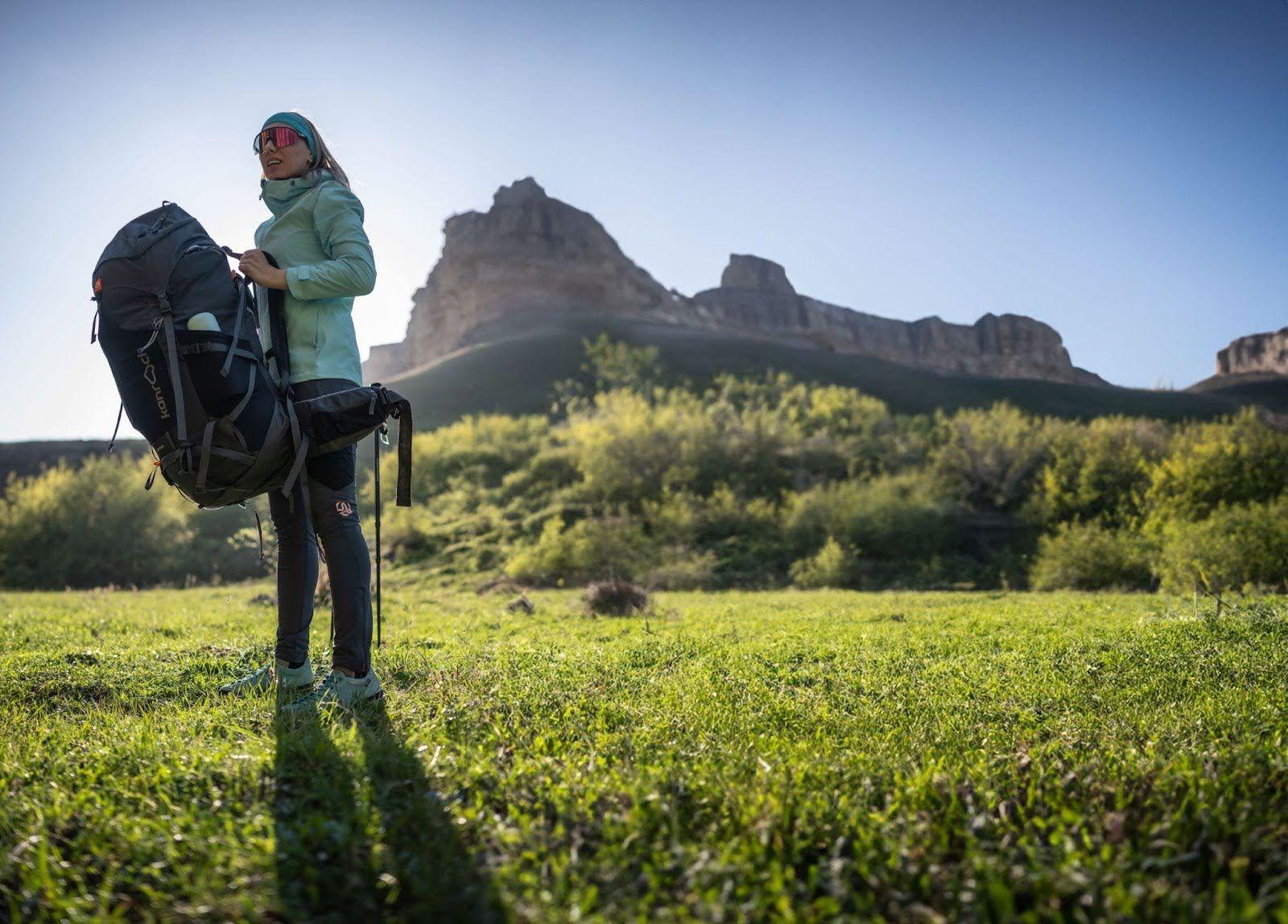
A well set up hiking backpack is half of success
Every hiker has a unique body shape, which is why adjusting the back length is the most important step in fitting a hiking backpack. A high-quality trekking backpack-like the Kanrock Charger or Kanrock Eclipse features an adjustable suspension system that allows you to position the harness to match the exact length of your back. This simple adjustment dramatically improves comfort over long distances, especially during extended hikes or ascents.
The principle is straightforward: shoulder straps should follow the natural line of your shoulders without creating tension or noticeable creases. The top attachment point of the harness should align with the top of your shoulder blades, so the pack conforms to the natural curve of your spine. This ensures optimal weight distribution and a stable connection between the backpack and your back, without friction or imbalance.
For backpacks without an adjustable back length, it’s essential to choose the size based on your torso length - not your total height. A pack that is too short or too long will compromise carrying efficiency, even if its volume seems appropriate.
A precise adjustment to your body, combined with well-balanced straps, allows the backpack to feel like part of your body: weight disappears, movements become fluid, and every step remains stable and natural, whether you’re on a mountain trail or crossing a valley.
Prefer learning by watching a demo? Check out this tutorial
Adjusting the hip belt is a crucial step for ensuring comfortable and efficient carrying during hikes or treks. The hip belt supports the majority of your backpack’s weight - up to 70% of the total load - and helps relieve pressure on your shoulders over long distances.
Taking the time to adjust your hip belt properly is an investment in comfort and endurance. From the very first steps, a well-fitted pack feels lighter, walking becomes smoother, and the effort is distributed more efficiently.
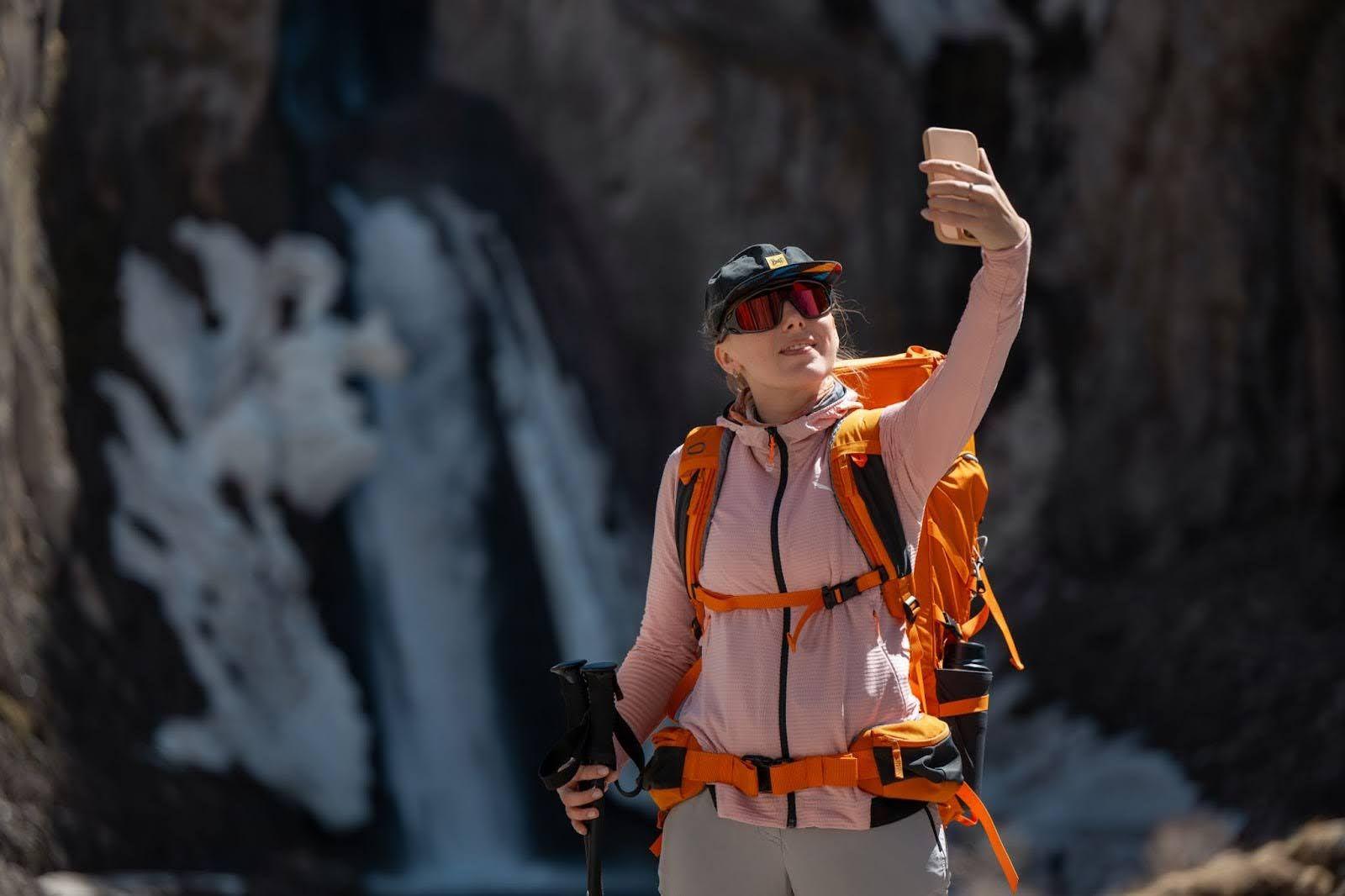
The hip belt should rely comfortably on your iliac crest bones
Once your hip belt is properly in place, the next step is adjusting the shoulder straps. Often overlooked, this adjustment is crucial for optimal comfort and balanced weight distribution across your upper body.
The shoulder straps should naturally follow the shape of your shoulders, with no gaps between the strap and your back. They should contour evenly along your body, without creating pressure points or friction areas. This continuous contact stabilizes the pack and prevents it from swaying from side to side while walking.
Tighten the straps so the backpack rests snugly against your back - but don’t overdo it. The main weight should remain supported by the hip belt, not your shoulders. You should feel the pack secure and stable without excessive compression. If you notice pressure on your upper back or trapezius muscles, the straps are too tight; loosen them slightly so the weight shifts back to your hips.
A well-adjusted backpack feels balanced: it “hugs” your back while leaving your shoulders relaxed and free. This positioning allows you to hike longer without fatigue, maintain better posture, and preserve mobility - even with a heavy load or on technical terrain.
Load-lifter straps, located between the top of the shoulder straps and the upper part of the backpack, play a subtle but essential role. Their purpose is to pull the pack closer to your back, preventing it from tipping backward - which can strain your shoulders and throw off your balance while hiking.
Adjustment should be gradual - there’s no need to overtighten. The right balance is achieved when the pack sits upright, close to your back, without pulling upward or restricting your shoulders.
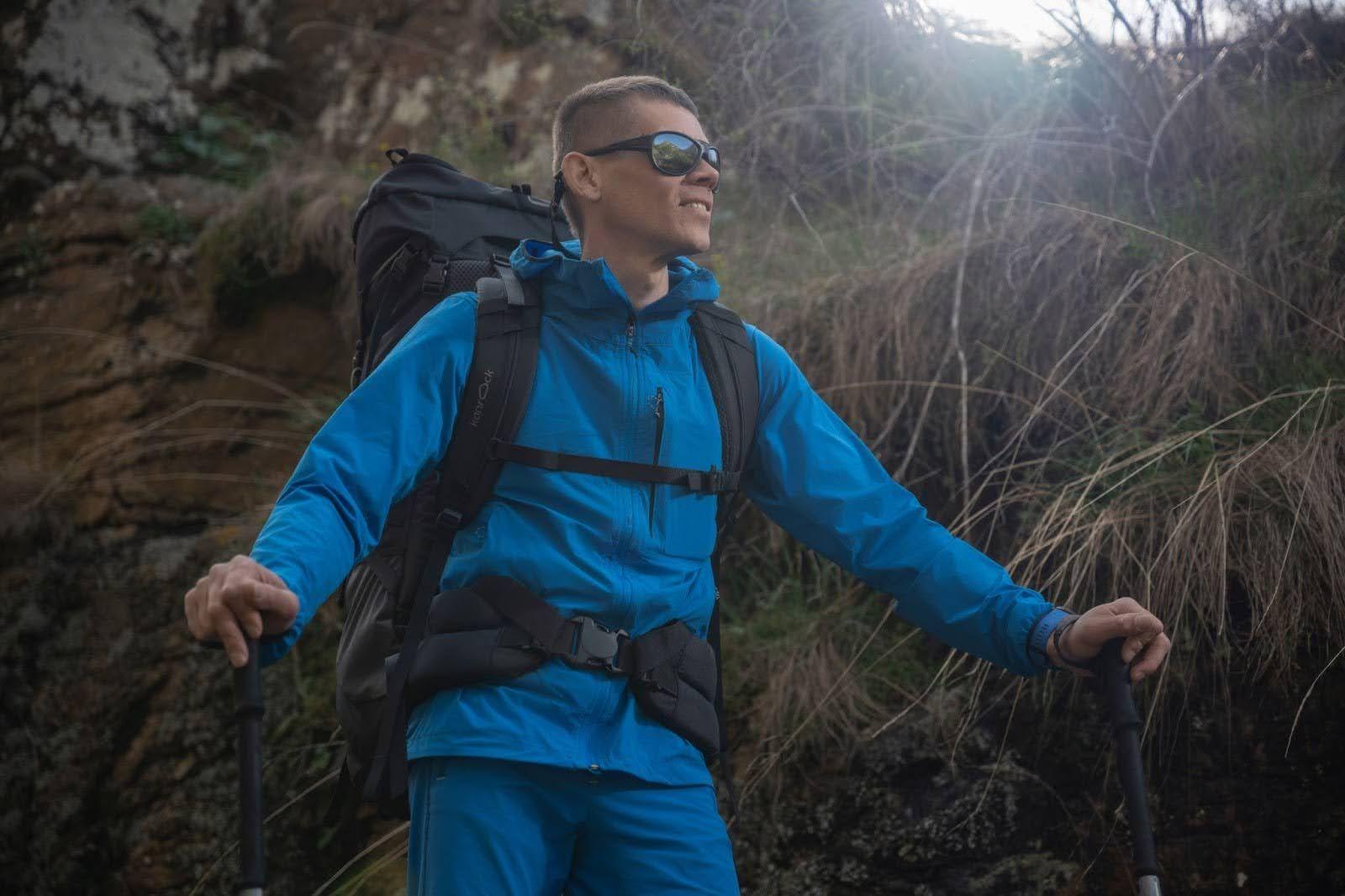
Take a little bit of time to fine tune the adjustments of your backpack, and feel the difference on the road
Once all the main adjustments are done, take a few minutes to fine-tune the details. Put on your fully loaded backpack and take a few steps, climb some stairs, or do some torso rotations. These small tests help ensure the pack is stable and comfortable.
A properly adjusted backpack isn’t just about comfort or appearance—it’s about health and enjoyment. Take the time to find the right settings: a few minutes of careful adjustment at the start can completely transform your trail experience.
Hiker Tip: Always test your backpack fully loaded with water, clothing, and gear. The feel changes depending on weight and load distribution.
Comfort Tip: Before a long trek, do a short test hike to refine your adjustments in real conditions. This prevents uncomfortable tweaks once you’re out in the wild.
For personalized guidance, our in-store experts can help you adjust your Kanrock backpack with a full load, ensuring optimal comfort from your very first hike.
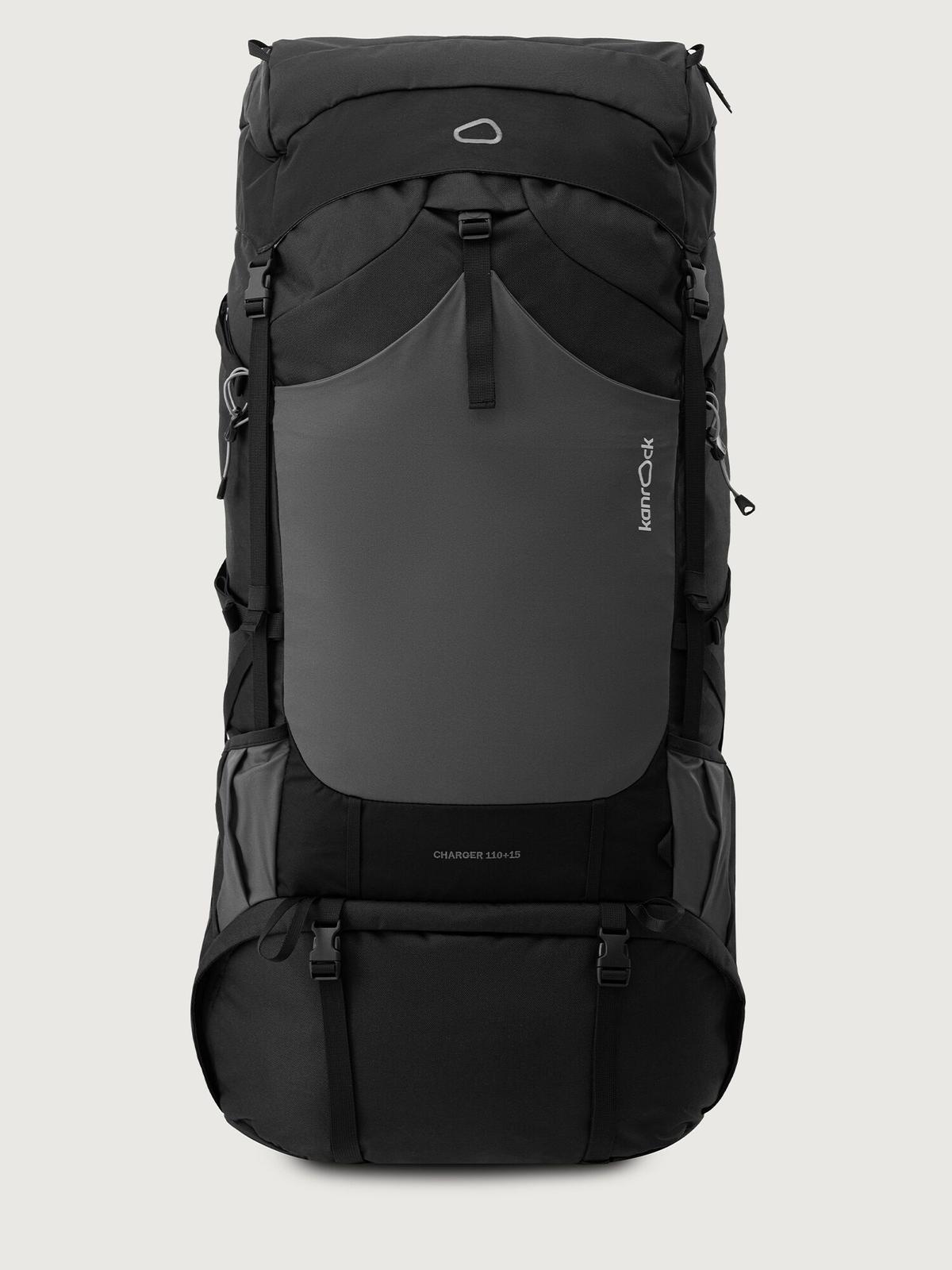
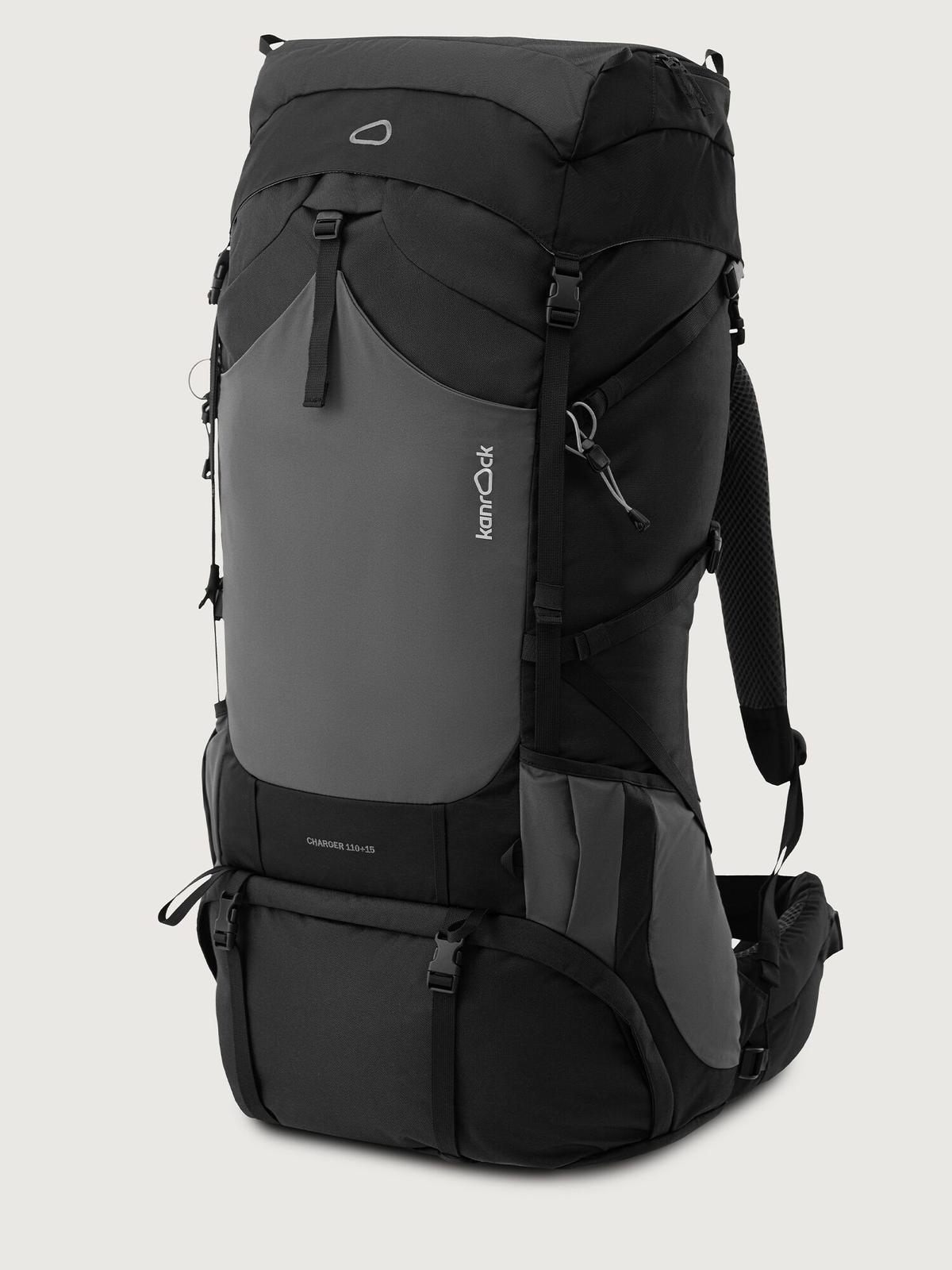
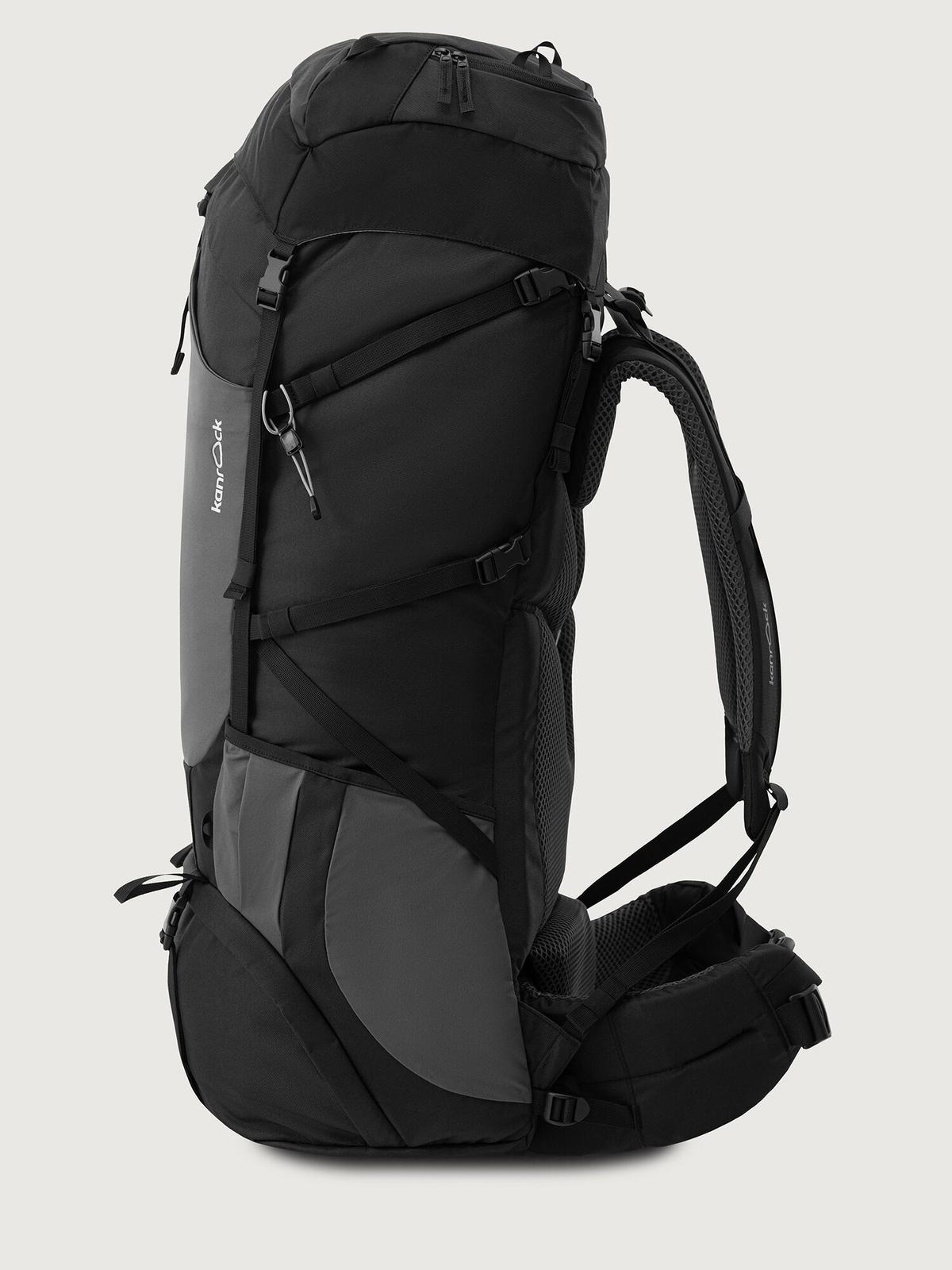
Charger 110+15
Backpacks
190€
The Charger 110+15 is the ultimate backpack for long expeditions year-round and multi-day treks. Designed for autonomous adventures, every detail has been crafted to provide far-away terrains. Its generous 110L + 15L capacity allows you to carry all the essentials for your extended adventures without compromising freedom of movement. An essential companion for those who are ready for long trips.
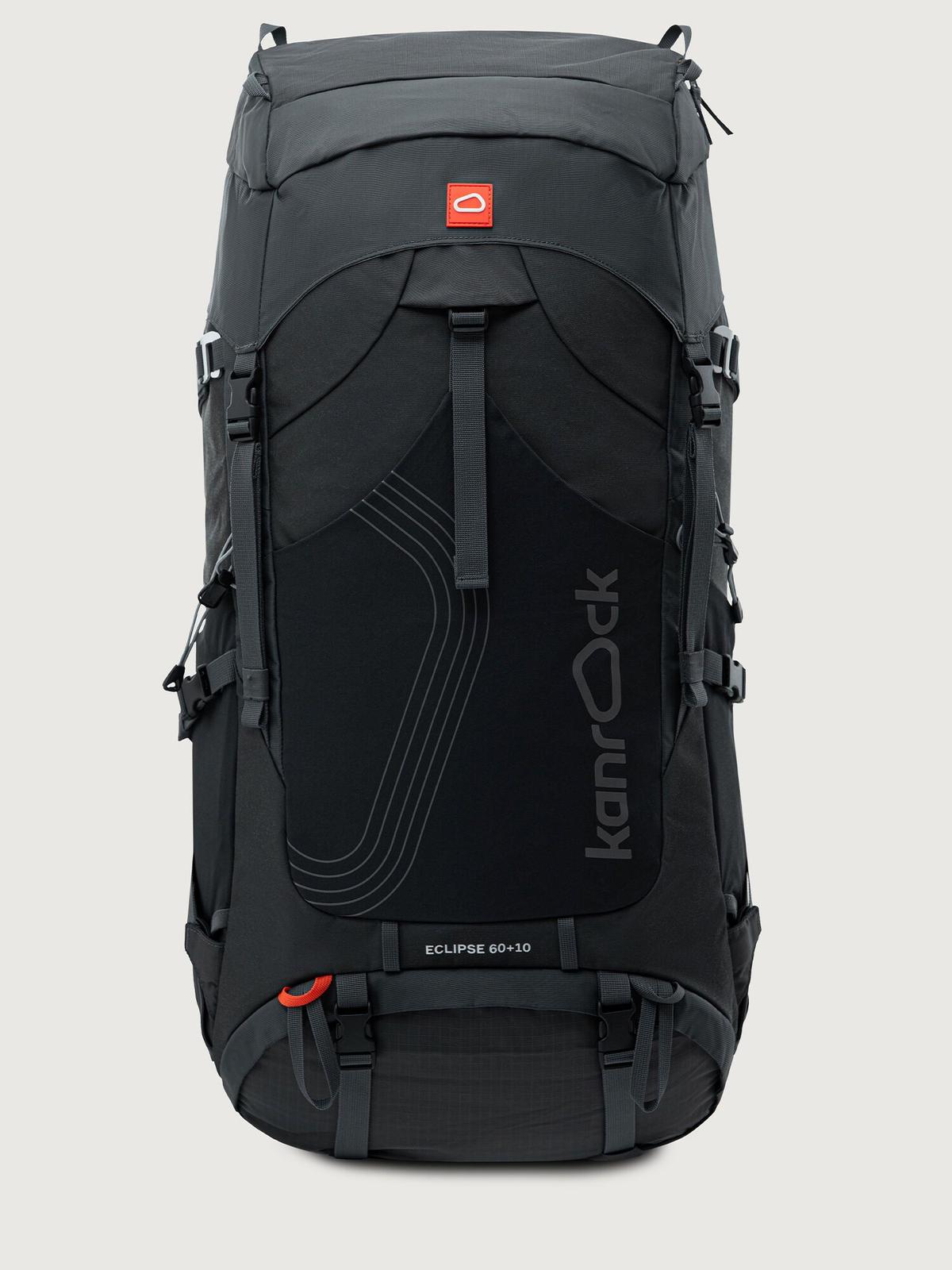
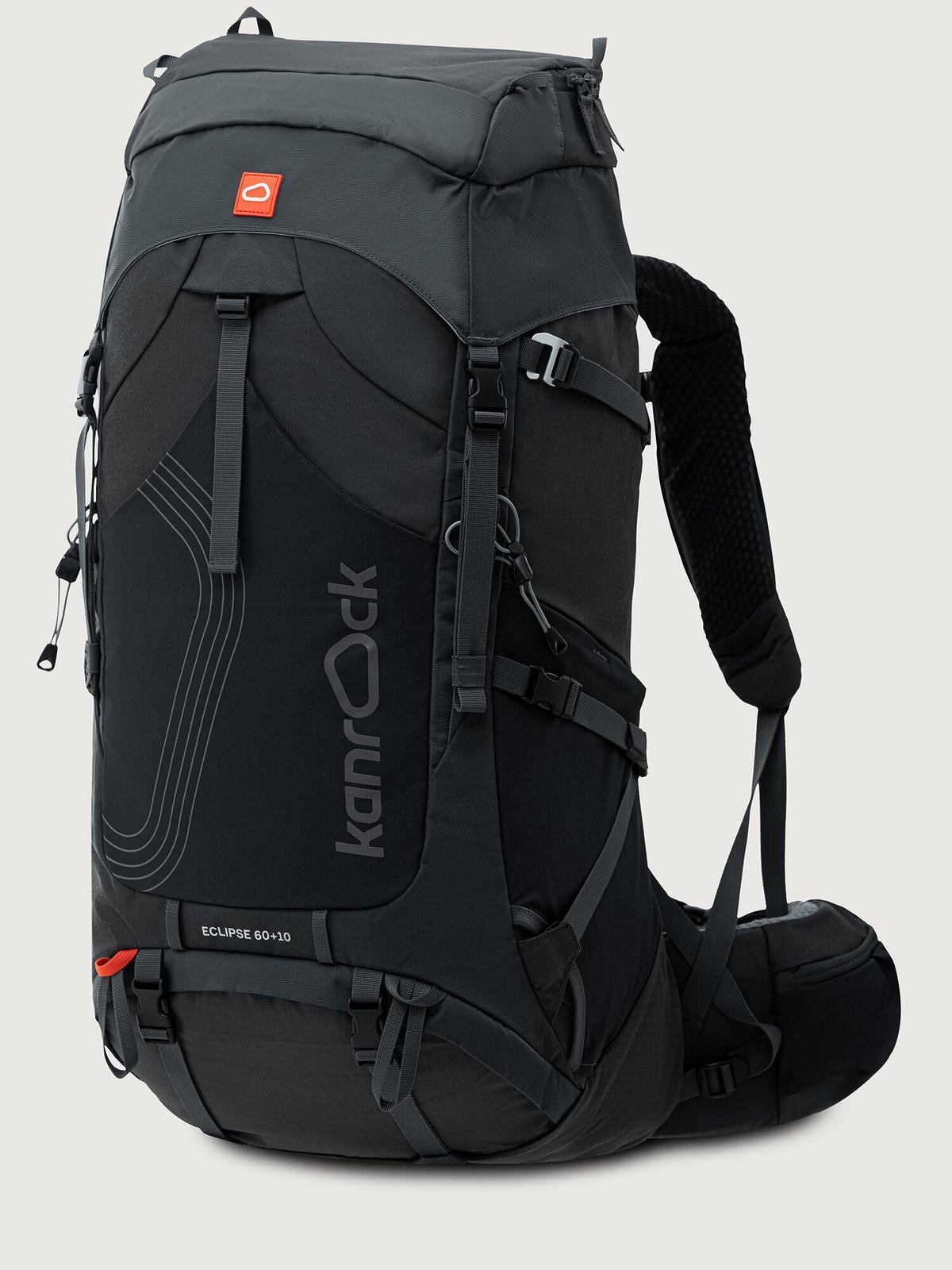
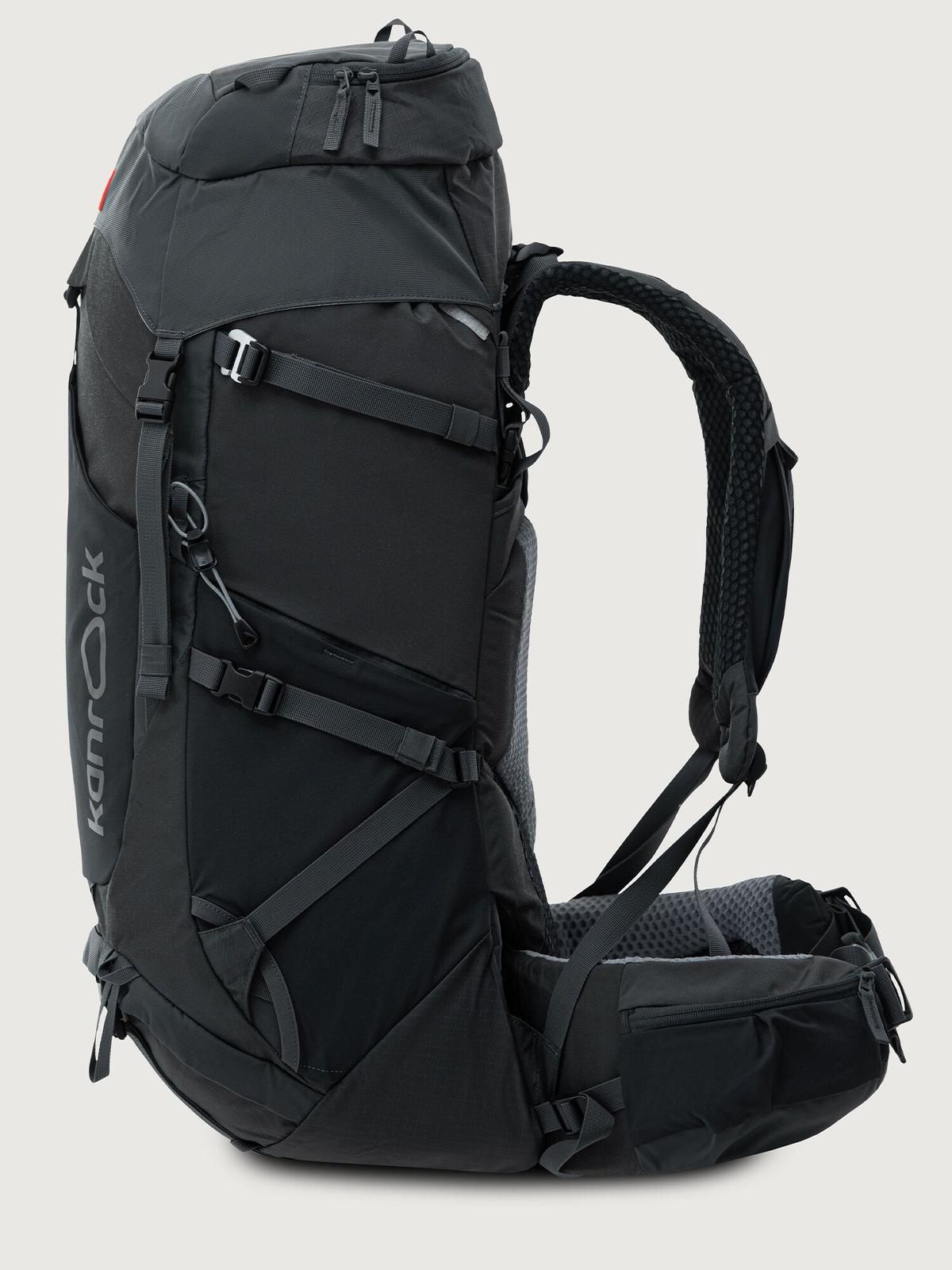
Eclipse 60+10
Backpacks
236€
This high-performance backpack with a 60L capacity and an additional 10L extension is designed for trekking, offering inside numerous storage for comfortable use. This model is intended for experienced trekkers with high demands, allowing you to go further with confidence
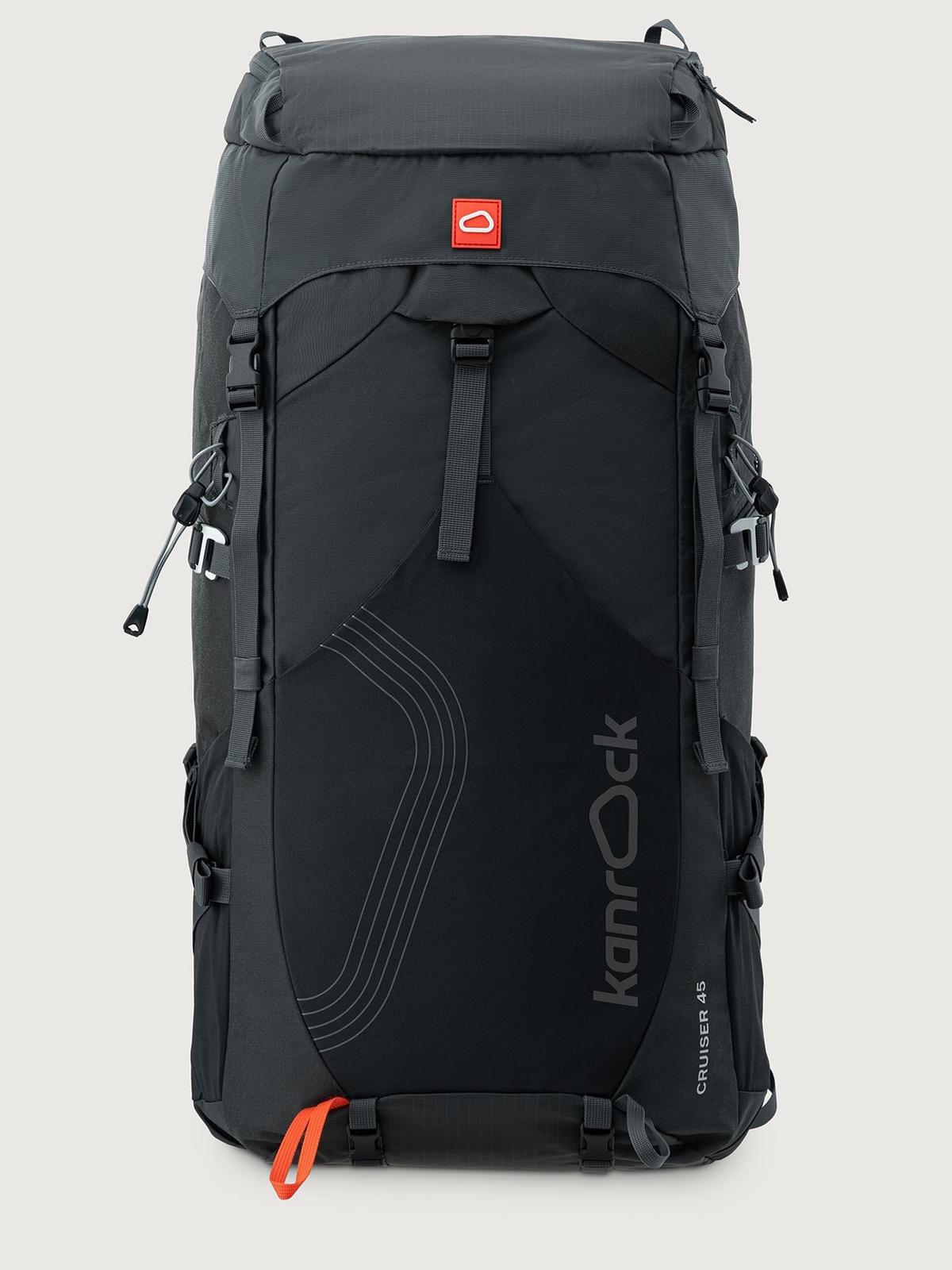
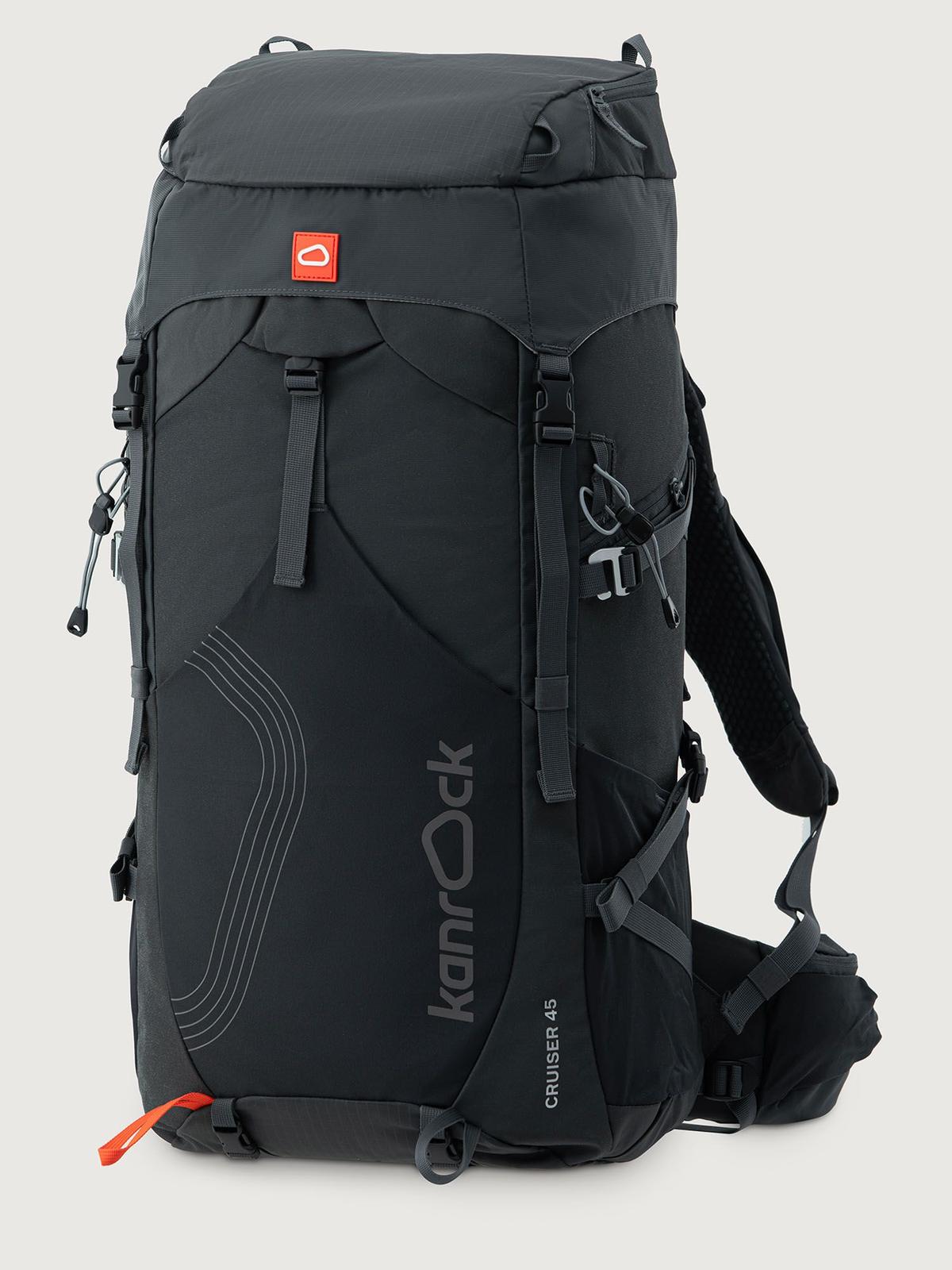
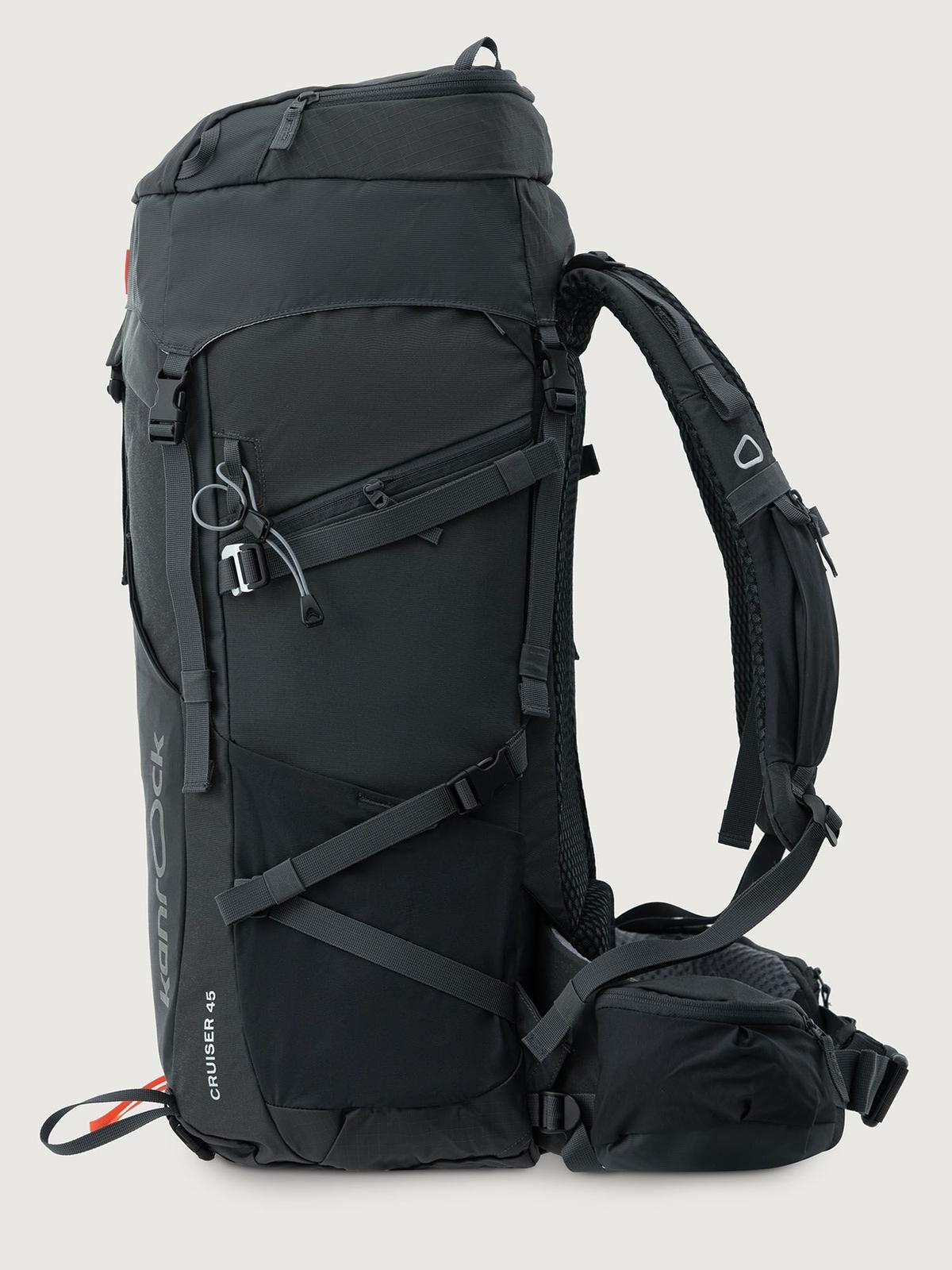
Cruiser 45
Backpacks
187€
With a 45L capacity, the Cruiser 45 is the ideal choice for trekking, hiking, and multi-day summer trips. Its smart design, featuring an external attachment system, significantly expands its usability and accessory options. Compatible with a hydration system, this backpack ensures comfortable travel on all your adventures